

























































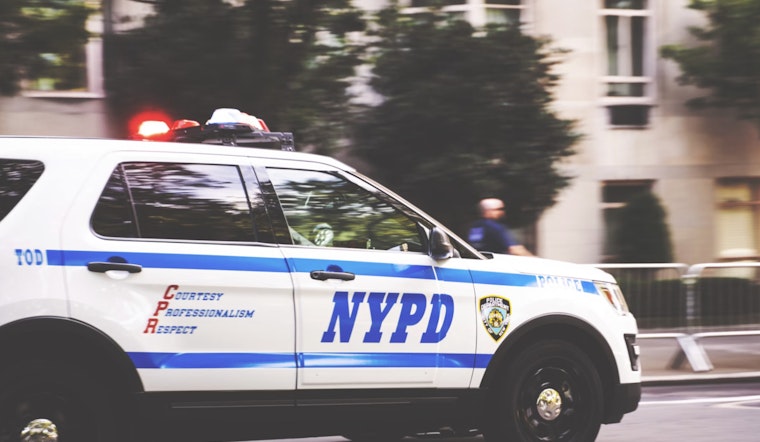
The Legal Aid Society of New York is putting pressure on the NYPD's surveillance practices, calling for the Department of Investigation to survey the police department's use of facial recognition technology, claiming serious breaches of their own set policies and several false arrests. According to Gothamist, Legal Aid sent a letter to the NYPD’s Office of the Inspector General highlighting specific instances where individuals were erroneously identified and consequently arrested, demanding an inquiry into these allegations.
In a case reported by the Brooklyn Eagle, the NYPD used Clearview AI through a Fire Department official to identify and wrongly accuse a protester of a hate crime. This action violated internal restrictions on the use of the software, which collects images from social media and other online sources. Although the POST Act requires transparency regarding NYPD surveillance practices, findings indicate that the department has not consistently complied with these requirements. In a separate incident reported by The New York Times, a man was misidentified and wrongfully detained for a crime he did not commit. His height did not match the suspect's description, yet his photo was used to influence the victim’s identification.
Staff Attorney Diane Akerman from Legal Aid’s digital forensics unit addressed the broader concerns, stating, “It has become so clear that the NYPD cannot be trusted with facial recognition technology. They cannot even do the bare minimum in making sure it will not lead to false arrests.” In an interview obtained by the Brooklyn Eagle, she noted that the department often bypasses its own limited safeguards without regard for the consequences. The NYPD, however, maintains that facial recognition is only one tool among many and never the sole cause for an arrest, according to a statement. Despite this claim, public defenders and civil rights advocates continue to raise concerns about the potential for biased policing and violations of civil liberties.
The Department of Investigation has acknowledged receiving Legal Aid’s letter, while NYPD spokespersons continue to emphasize the importance of facial recognition technology when combined with other forms of evidence. They stress that officers "cannot and will never make an arrest solely using" it. However, how this protocol is applied in practice remains unclear, particularly since officers are required to obtain high-level authorization to conduct searches outside approved photo databases. As more cases reveal breakdowns in these procedures, Legal Aid has submitted email evidence in court showing that the NYPD requested assistance from an FDNY marshal, who used Clearview AI to help identify a protester. This led to the individual's arrest, according to Legal Aid and as reported by the Brooklyn Eagle.





