

























































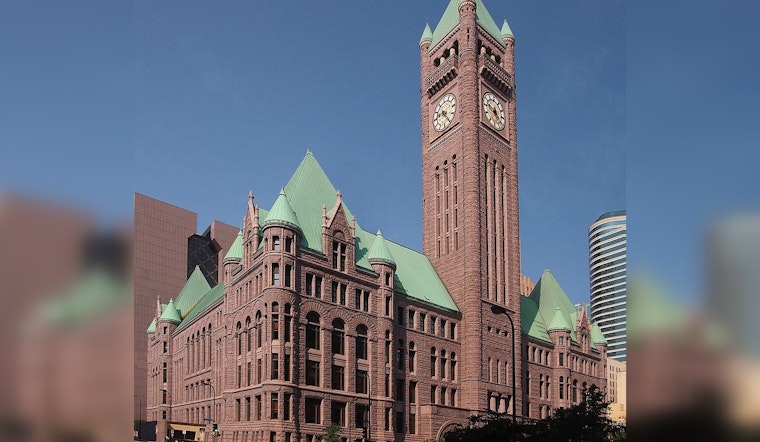
Minneapolis residents can anticipate changes in their city services as local government ramps up its efforts to improve fiscal policies and public participation. A recent meeting of the Public Health & Safety Committee witnessed Council Member Wonsley and Council President Elliott Payne present a plan poised to allow the city to start collecting fees for off-duty police work utilizing city resources. This code amendment, following an ordinance passed earlier this year, "will allow the City to start collecting fees for the use of City resources (cars, uniforms, etc.) for off-duty police work," as reported by the Minneapolis Government Bulletin. The amendment is the final step in preparation for the 2026 fee schedule.
With the presentation of the Mayor's 2026 Budget earlier this week, the city's annual budgeting process is officially underway. Throughout the coming months, Minneapolis council members will diligently review the budget, providing the public hearings to ensure transparency and community feedback, particularly on the topic of a proposed 7.8% property tax increase. In a bid to create "a people-centered budget that is mindful of the financial burden facing city residents," Council President Payne seeks to balance the need for resource allocation with fiscal responsibility. The full details are disclosed in the bulletin.
In community-focused initiatives, Minneapolis is opening an information channel on the the upcoming Minneapolis Democracy Center. An open house is set for Aug. 25, where LSE Architects and the two applicants for the community partner space, Change Inc. and Mama Sheila's House of Soul, will present their proposals to the public. A Q&A session and a survey will allow local voices to be heard in this important decision. More information on the open house and the engagement process can be found on the city's official site.
On a smaller scale, Minneapolis residents are urged to re-register their bicycle serial numbers as the city transitions to the Bike Index registry, enhancing the chances of recovering lost or stolen bikes. "It's also easier for bike buyers to know they’re buying from a legal owner," according to council communications. Registration and subsequent steps for when a bicycle is lost or stolen can be learned more about on the city's website.
Other notable updates include the closure of I-94, which took place from Aug. 15-18, to facilitate construction activity. Meanwhile, the city introduces a new Metro Mobility service from Sept. 3, offering an innovative Premium On Demand service through a partnership with UZURV that includes financial support for each ride and aims to improve transit solutions for people with disabilities. More details on the service can be accessed via the Metro Transit website.
Crowning the summer activities, the Open Streets Minneapolis continues to offer community engagement through car-free events. Coming up are "Cedarfest" on Cedar and Riverside avenues, and further celebrations on West Broadway and Hennepin Avenue throughout August and September. For specific dates and street details, residents can refer to the citizens’ announcement.
Finally, Minneapolis communities are reminded of the National Night Out, which for 2025 took place on Aug. 5. The event represents an opportunity for neighbors to strengthen community bonds, with the potential for locally organized festivities to receive support from city services. While registration for this year's event is closed, those interested in learning more about National Night Out or planning for next year can do so on the city's website.





