

























































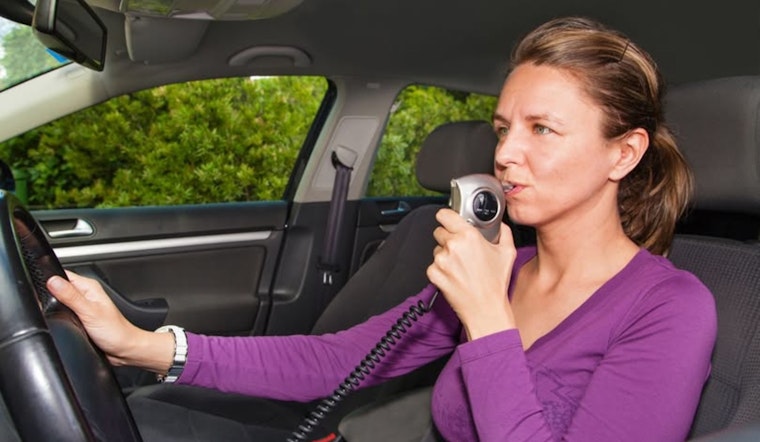
Minnesota is taking strides to not only curb impaired driving but also to support rehabilitative efforts for those with substance abuse problems. The Minnesota Department of Public Safety announced an update to its Ignition Interlock Program that aims to make the roads safer by closely linking the use of interlock devices to disorder treatment or rehabilitation therapy programs. This initiative is building on a program that has been in place for nearly 15 years and has allowed drivers with a history of impaired driving to maintain their driving privileges while ensuring they follow the law and contribute to road safety.
The latest changes are designed to more effectively prevent repeat offenses by combining technology with therapy. Those enrolled in the program must use a vehicle equipped with an interlock device, which requires the driver to pass a breathalyzer test before the car can start. Now, these drivers are to also participate in treatments for substance abuse, creating a dual-approach that addresses the behavior at its root. According to the social media post from the Minnesota Department of Public Safety, the goal is to reduce recidivism and, in turn, keep Minnesota's roads safer.
The effects of such programs are not just legal or punitive, but also potentially healing. The interlock devices enable individuals with histories of impaired driving to keep moving—to work, to school, to continue their daily lives—while being held accountable. It's a form of tempered justice that acknowledges the need for mobility even as it enforces responsibility. Now, with added support for overcoming substance abuse, Minnesota is acknowledging that long-term safety on the roads requires addressing underlying issues, not merely controlling symptoms.
While the previous success of the ignition interlock system has been significant, this integration of treatment programs represents a forward-thinking step in road safety. It acknowledges that technology alone may not suffice to fully protect our communities. The integration with therapeutic services seeks to not just mechanically restrict a driver from starting a vehicle while impaired, but also to holistically aid in their recovery and behavioral change. This is part of Minnesota's ongoing effort to constructively reduce driving under the influence offenses and enhance public safety.





