

























































Food recalls are a hassle for consumers and can pose great risks to public health—recent announcements from the FDA and USDA detail multiple products being yanked from shelves. Chetak LLC is recalling sprouted beans amid Salmonella fears, a move that followed FDA testing indicating potential contamination. While no related illnesses have been reported to date, shoppers who've bought either the Deep Sprouted Mat (Moth) or Deep Sprouted Moong beans are urged to not consume the products but rather return them for a refund, a precaution particularly aimed towards children, the elderly, and those with compromised immune systems, according to the City of Minneapolis announcement.
Seafood lovers, take note: Frozen Half Shell Oysters from South Korea are off the menu for now due to a possible Norovirus contamination, and the specific products, harvested from Designated Area No. 1 by processor JBR KR-15-SP, pose a threat that's not detectable by smell, sight, or taste—the virus incubates for 12 to 48 hours causing stomach distress although usually resolving in a day or two; however, it's a higher risk for children, older adults, and those with existing health conditions, such as diabetes or heart disease, according to health advisories.
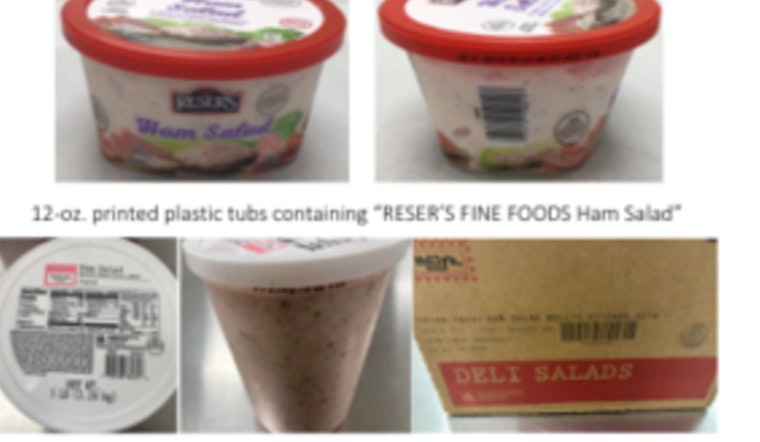
The Listeria monologue doesn't end on a high note either, with Reser’s Fine Foods, Inc.'s Ham Salad being recalled due to the breadcrumbs used in it that may contain the bacteria. Listeria is particularly menacing for pregnant women, newborns, the elderly, and those with weakened immune systems—though there have been no reported cases, immediate action has been taken to pull potentially affected products off the market, including both the 12-oz, and the larger 5-lb tubs.
Finally, bits of plastic are not ideal ingredients in any dish, yet they’ve made their way into the ALL NATURAL al fresco CHICKEN SAUSAGE SWEET APPLE with Vermont-made syrup, leading to a recall from Kayem Foods Inc., after reports sprouted from dismayed customers discovering these unwelcome additions in their food. A voluntary recall was triggered despite the lack of reported injuries because product safety remains a paramount concern for the company and for public health officials alike, especially considering products like this are often consumed by a wide array of people, including those who are more vulnerable, such as the elderly and young children.
In each case, the cold, hard advice is straightforward—check your pantry, check your fridge, and if you're storing any of these products, return them. And if you're feeling unwell after consuming any of the recalled food items, it's time to call your healthcare provider. These serious health threats hidden in everyday consumables remind us to stay vigilant, keep informed, and prioritize safety in our dietary choices. More information about the recalls, symptoms, and protective measures can be found through the provided links, and as always, concerns and symptoms can be reported to the Minnesota Department of Health Foodborne Illness Hotline—or in the case of the sausage and ham salad products, the USDA's Meat and Poultry Hotline—for rapid response and advice.





