

























































The Tenth Circuit Court has upheld a controversial Oklahoma law, SB613, which prohibits gender transition procedures for minors. According to an official statement from the Oklahoma State Senate, the legislation restricts access to puberty blockers and surgical procedures which could alter a minor's anatomical characteristics to align with their gender identity.
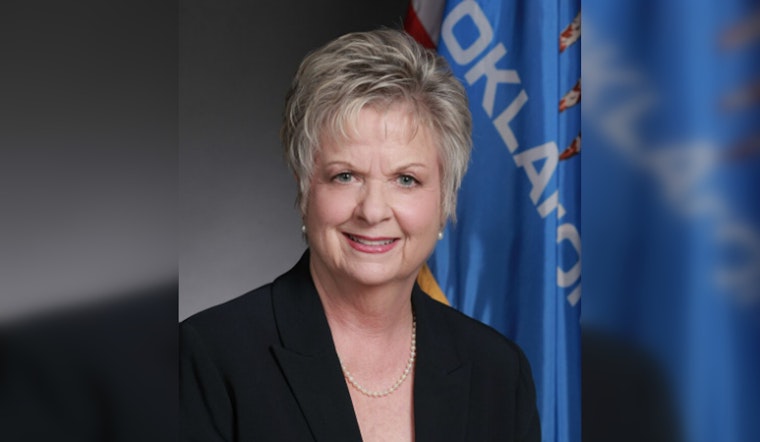
Senate Majority Floor Leader Julie Daniels, the author of SB613, hailed the court's decision, underscoring her belief in the state's right to protect children. The law, passed in 2023, has been a point of contention, with supporters claiming it ensures the safety of minors by deferring medical decisions until adulthood. Critics of the law, finding themselves amid the tensions over transgender rights, argue that it discriminates against transgender minors despite the state's assurance and the court's ruling, as reported by the Oklahoma State Senate.
"I welcome this ruling, which affirms the Oklahoma Legislature acted well within its authority to protect children from irreversible gender transition procedures," Daniels said, stressing the lack of discriminatory intent behind the measure. The Tenth Circuit reinforced this point, stating there was "no evidence" of prejudicial motives in the enactment of SB613, as stated by the Oklahoma State Senate.
The decision follows a U.S. Supreme Court ruling earlier this year in U.S. v Skrmetti, which affirmed the states' authority to regulate such procedures for those under 18. Underpinning this ruling is the insistence that the state's law does not infringe upon constitutional protections, such as the equal protection or due process clauses. "This law protects children from making life-changing, medical decisions until they reach some level of maturity and can better understand the risks to their long-term health," Daniels told reporters, adding that such measures were in place to address the "mental health challenges of gender dysphoria," as per the Oklahoma State Senate.
With the upholding of SB613 by the Tenth Circuit, Oklahoma joins a list of states enacting similar laws. The debate over how minors should be allowed to address issues of gender dysphoria continues to polarize lawmakers and advocates across the country. Proponents highlight their concern for the well-being of children, while opponents maintain that these laws limit crucial access to medical interventions that can be life-saving for transgender youth.





