

























































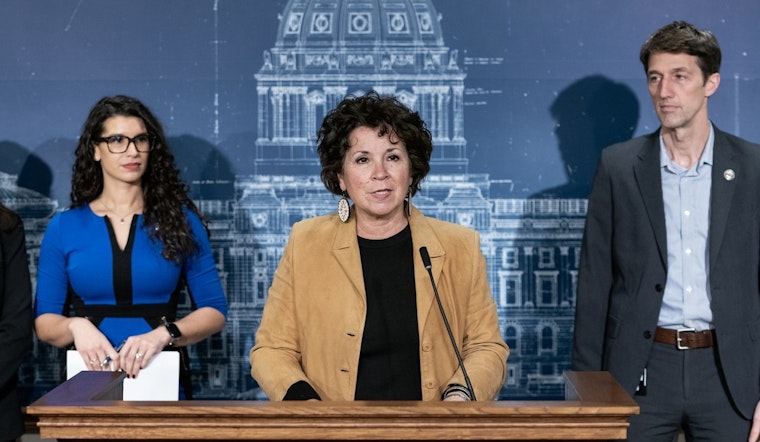
Yesterday marked a historic milestone, the 60th anniversary of the Voting Rights Act of 1965, a piece of legislation that has been vital in the fight against racial discrimination in the voting system—a struggle that continues today, especially for Native Americans. In a statement that highlighted the enduring struggles and advances, Senator Mary Kunesh of Minnesota discussed the specific challenges faced by Native Americans when it comes to voting rights, according to a statement released by the DFL Senate Caucus.
Senator Kunesh underscored the fact that despite the protections of the original Voting Rights Act, it wasn't until a decade later, with the 1975 amendments, that the legislation truly began to address the unique voting barriers imposed on Native Americans, and even with these protections in place, the battle against disenfranchisement is far from over, with systemic obstacles still very much a reality. She stated, "It is essential to acknowledge that Native Americans continue to fight for their voting rights," acknowledging the work that has been done and the journey that still lies ahead to dismantle the systemic barriers that impede the democratic process.
Minnesota has been proactive with recent legislative actions aimed at improving voting access for Native communities, such as setting up satellite voting locations on reservations and enhancing voter education, as highlighted by Kunesh. These steps have strengthened community engagement and have been important in giving Native Americans a more prominent voice in elections.
Yet, the senator reminded everyone that there is more work to be done; issues like inconsistent mail service, polling place accessibility, and language barriers continue to stand in the way of full participation in the electoral process for many Native Americans, this only highlights the continued importance of the Voting Rights Act as a foundation for advocacy and reform as we move forward. Kunesh's call to action is a reminder that the legacy of the Act is still very much alive, as she urged individuals, organizations, and lawmakers to collaborate in protecting and advancing the voting rights of all citizens, "Together, we can honor the legacy of the Voting Rights Act by ensuring that every voice is heard and every vote is counted," as detailed on the Senate DFL Report.




