

























































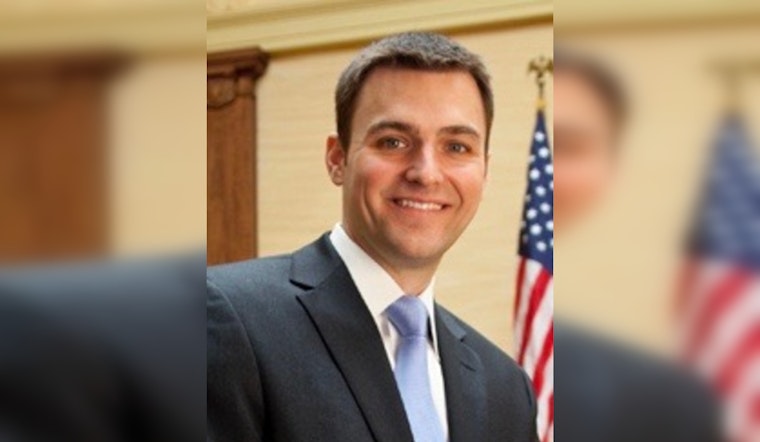
In a bold legal push back against the Trump administration's latest maneuver, Oregon Attorney General Dan Rayfield has stepped into the ring with a coalition of 21 attorneys general to file a lawsuit. Their target: the Administration's alleged unlawful conditions on federal Victims of Crime Act (VOCA) grants. Rayfield and his counterparts are accusing the administration of strong-arming states into complying with federal immigration enforcement by holding vital victim support funds hostage.
"This is yet another attempt to place unlawful conditions on federal funds coming into Oregon, to advance the President's unpopular agenda, this time at the expense of crime victims and survivors," Rayfield remarked in a statement obtained by the Oregon Department of Justice. Echoing the sentiment, Oregon State Representative Tawna Sanchez highlighted the dire potential of the funding cuts, "The reduction in these funds is likely to have a devastating effect on the programs that serve some of the most vulnerable populations in our state."
The Victims of Crime Act, a legacy of President Ronald Reagan's administration, has been pivotal in supporting crime survivors' journeys to rebuild their lives. It extends a financial lifeline for a gamut of services, including emergency shelter, crime scene cleanup, and court advocacy. Notably, VOCA is bankrolled by criminal fines, not taxpayer dollars, ensuring that victims of crime are the primary beneficiaries of these funds, not political pawns.
Oregon, like many other states, is feeling the acute pinch of these threatened federal cutbacks. Approximately 146 victim service providers in the Beaver State stand to lose an estimated $15 million in 2025 due to these contentious federal reductions. Nationwide, close to 9 million crime victims rely on VOCA funds annually to aid in their recovery, with over 200,000 victims' claims compensated, according to the lawsuit aimed at halting the Trump administration's conditional tactics.
The multistate legal challenge spearheaded by Attorney General Rayfield is not just a crusade for the uninterrupted support of crime victims. It is also a defense of constitutional principles. Fundamentally, it disputes the Administration's power to politicize grant distributions, which detracts from their intended use — a crucial stance that underscores the significance of maintaining the integrity of the judicial process and upholding state autonomy.





