

























































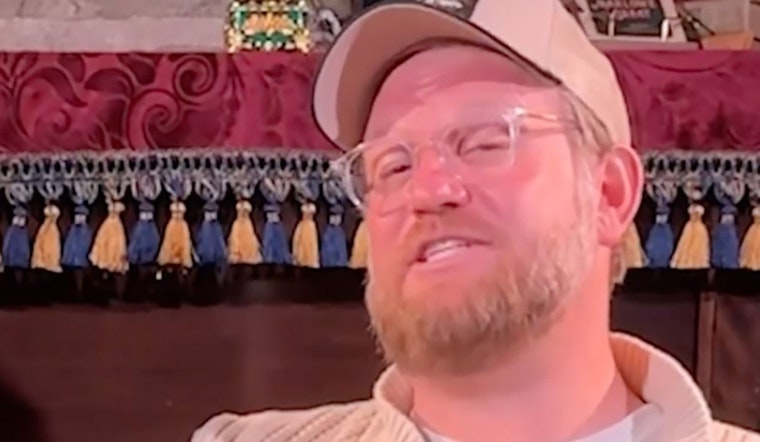
Boxcar Theatre’s longtime executive director, Nick Olivero, resigned this weekend after a social‑media predator‑catching group posted a video and screenshots that it says show him arranging a meeting with someone who posed as a 14‑year‑old. The theater says it is “shocked and appalled,” has canceled its planned Halloween event, and has handed day‑to‑day duties to two senior staffers.
What happened and what Boxcar says
The allegations stem from an Aug. 8 thread by People v. Preds, a self‑described predator‑catching account that posted a short video of a man it identified as Olivero walking out of a grocery store in San Diego and alleged chat screenshots. Within days the Boxcar board had planned a meeting; the board spokesman says Olivero resigned before that session took place.
Boxcar posted a statement on its social accounts saying the accusations came from a “private citizen’s social media accounts,” that the company was “shocked and appalled,” and confirmed Managing Director Stefani Pelletier and Executive Producer Laura Drake Chambers will take over Olivero’s responsibilities. The company also announced the cancellation of the haunted‑house run it had planned at the Haas‑Lilienthal House.
What happened and what Boxcar says
Reporting with video and the theater statement is outlined by the San Francisco Chronicle.
Why this matters locally
The resignation lands at a fraught moment for Boxcar. Last year the Chronicle published an investigation that collected performer complaints about bullying, harassment, safety and wage problems tied to the company’s immersive hit, The Speakeasy, and the new allegations broaden the reputational fallout. That combination of workplace complaints and now a public, sexual‑misconduct allegation has immediate operational consequences — like canceled shows — and raises questions for funders, partners and venues that host Boxcar’s productions.
Boxcar’s own listing for its canceled Halloween event had identified the venue as the historic Haas‑Lilienthal House on Franklin Street.
Details about the original Chronicle reporting are available in its investigation.
Video, verifiability and vigilantism
People v. Preds has cultivated a national following and posts dozens of confrontational videos; the account also keeps a running tally of “catches,” arrests and convictions it claims to have produced. But defense lawyers and former prosecutors warn that amateur sting groups operate in a legal gray zone: evidence gathered by private citizens can be inadmissible if chain‑of‑custody rules aren’t followed, and tactics that resemble entrapment can undermine criminal cases.
Legal scholars and former prosecutors caution that, even when videos go viral, those clips don’t automatically translate into charges — and that confrontations can put bystanders at risk and complicate official investigations. The Catholic University law school has noted those risks in commentary about the recent national surge in citizen‑led stings.
How local law enforcement has handled similar cases
People v. Preds and similar groups have sometimes prompted arrests — including in San Diego, where a separate case tied to the group led to a plea in 2024 — but outcomes vary by county and by how closely vigilantes work with police. In some recent instances elsewhere in the U.S., prosecutors have criticized citizens’ sting efforts and warned against them because of safety and evidentiary concerns.
Officials in jurisdictions where these stings happen often urge people to report suspected crimes to law enforcement rather than conduct confrontations themselves.
What Boxcar and Olivero have said (and not said)
Boxcar’s social posts and a board spokesperson confirmed Olivero’s resignation and described the allegations as coming from a private citizen’s accounts; those statements, and reporting of the video and chat screenshots, are laid out in local news coverage. Olivero did not immediately respond to reporters’ requests for comment in the initial wave of coverage.
The company said the conduct alleged in the posts appears unrelated to Boxcar’s operations, but the board has moved to staff the organization without Olivero and to rethink its autumn programming.
Implications for the city’s theatre scene
For producers, venues and performers in San Francisco, the incident is a reminder of two things: the reputational fragility cultural organizations face in the social‑media era, and the long tail of earlier internal complaints. Arts organizations that host immersive or participatory productions are already under pressure to demonstrate strong safety, personnel and financial practices; evidence of leadership misconduct can accelerate partner withdrawals and audience hesitancy.
The immediate priorities for Boxcar will be communicating next steps to staff and ticket‑holders, ensuring safety and pay obligations are met, and working with partners and venues that may now question future collaborations.
Legal questions to watch
If criminal investigators take an interest, prosecutors will need to determine whether any alleged online communications met the statutory elements of a crime and whether the evidence collected by a private group meets admissibility standards. If no charges follow, civil routes — including defamation or employment‑law claims — could surface, though those have different burdens of proof. Legal experts say the arrival of video online often makes private settlement pressure, public condemnation and institutional decisions the near‑term outcomes, regardless of criminal filings.
For more on how citizen sting operations can affect prosecutions and public safety, see reporting and expert commentary on the trend.
Close
Boxcar’s leadership change and the canceled fall event show how quickly a viral video can force decisions at small arts institutions. The next few weeks should clarify whether prosecutors pick up the matter, whether additional evidence appears, and how the Bay Area theatre community responds to another reputational crisis for a once‑high‑profile local company.





