

























































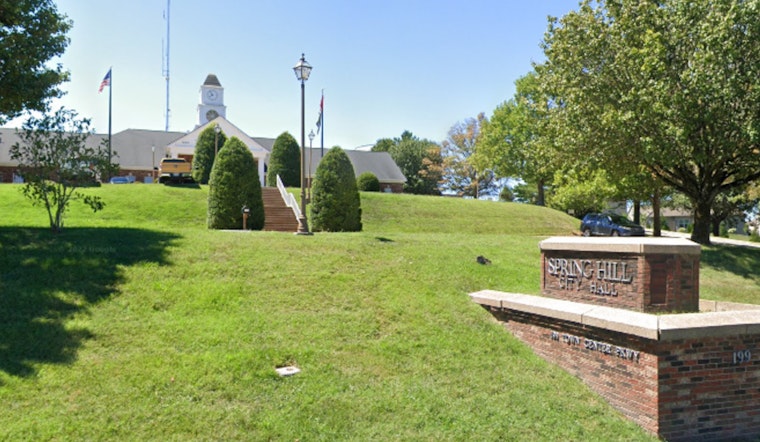
The City of Spring Hill is currently under a sewer moratorium following a Consent Order issued by the Tennessee Department of Environment and Conservation (TDEC) due to an overtaxed treatment facility and multiple violations over the past two years. The situation, escalating to this point after Spring Hill self-reported 29 effluent exceedance violations between June 2023 and May 2025, is now a critical concern for the city's infrastructure and environmental impact.
At the heart of the issue is the near-capacity sewage treatment plant, warned by TDEC to seek immediate remedies or face severe environmental consequences. According to WSMV, Spring Hill's officials convened a special meeting last night to grapple with the pending TDEC order, reflecting the urgency of developing a sustainable solution to the looming capacity crisis.
The Spring Hill Board of Mayor and Aldermen, discussing this imminent threat, agreed to accept the terms of the Consent Order during their meeting. "Spring Hill takes full responsibility for these violations and have been transparent with TDEC throughout this process by self-reporting these issues. We are committed to bringing our sewer treatment plant into full compliance with state standards," Mayor Matt Fitterer stated, as reported by WKRN. The city now faces a $65,700 civil penalty, with $13,140 due within 30 days.
Under the stipulations of the Consent Order, an indefinite moratorium on sewer connections has been placed for any new developments without vested sewer rights. This course of action will remain until the treatment plant has complies with performance standards for 12 months straight. The city also engaged with the TDEC's Tennessee Plant Optimization Program, committing to submit progress reports detailing the optimization efforts by October 15. Mayor Fitterer further emphasized the city's resolve, saying, "Ensuring the safety and health of our community is our top priority. Our focus is on implementing lasting solutions to prevent future violations and deliver safe and reliable utility systems." The long-term impact of the moratorium and the city's corrective actions are yet to unfold, posing critical questions about the sustainability of Spring Hill's infrastructure amidst growing environmental concerns, as noted by Williamson Herald.




