

























































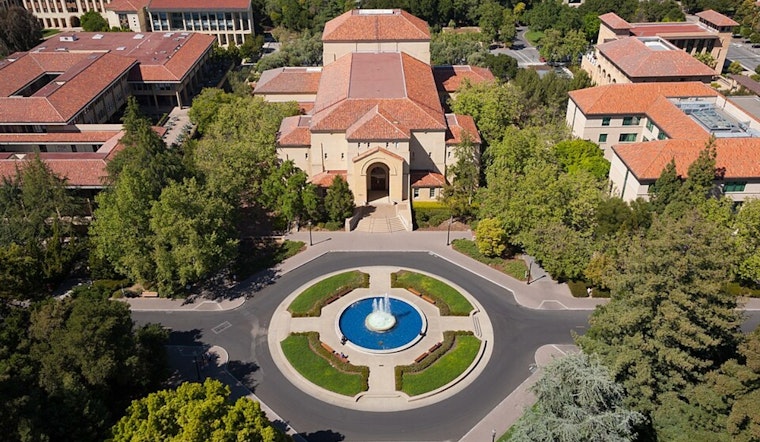
Stanford University has announced layoffs of over 300 employees, citing budget constraints due to federal policy changes. The university's leaders revealed that 363 positions would be affected by September 30, with unclear impact across departments. In a letter obtained by ABC7 News, the Stanford president and provost said, "The university is making a $140 million reduction in the general funds budget for the upcoming year. This is the product of a challenging fiscal environment shaped in large part by federal policy changes affecting higher education...these are difficult actions that affect valued colleagues and friends who have made important contributions to Stanford."
Following up with a statement, Julian Vogel, the assistant professor of finance at San Jose State University, made the layoff's consequences clear, per ABC7 News, "Stanford has a very large endowment. And therefore, even small changes in the tax rate on that endowment would have a big impact." The Trump administration's new regulations include a hefty increase in taxes on university endowments, affecting schools like Stanford with a $37.6 billion fund, as reported by the Stanford Daily last August. Originally taxed at 1.4%, the proposed hike to 21% would cost Stanford an estimated additional $750 million annually, potentially jeopardizing the financial aid programs that heavily rely on these funds.
The cuts come as the Trump administration has been active in other higher education areas. According to Reuters, the administration has threatened to reduce federal funds to universities engaged in activities not aligned with its policies, including pro-Palestinian protests against Israel, climate initiatives, and diversity programs. The University of California, Los Angeles, is facing a freeze on over $330 million in federal funding due to similar governmental scrutiny.
As revealed by statements acquired by Reuters, the brunt of these policies has been felt by Stanford and numerous academic institutions. Columbia University agreed to settle with the government for over $220 million, while Brown University will pay $50 million, adhering to certain demands. Harvard University's negotiations are ongoing. These actions have raised alarms among rights advocates concerned that the government's actions threaten academic freedom and free speech. They believe the administration unfairly conflates criticisms of Israel with antisemitism and advocacy for Palestinian rights with support for extremism.



