

























































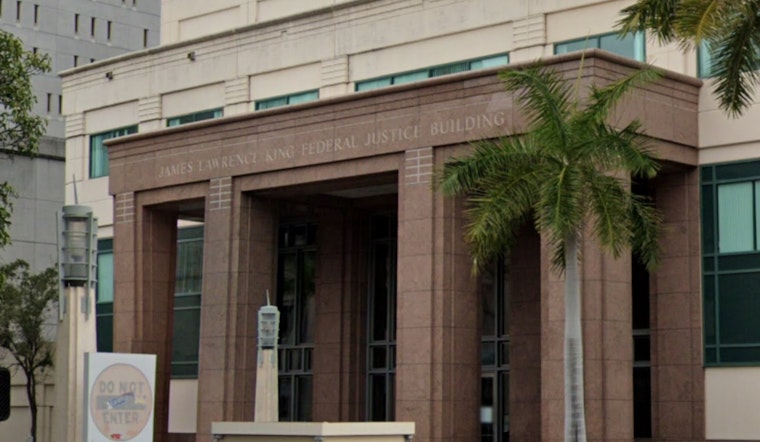
Three South Florida individuals have been handed federal prison sentences for their parts in a drug distribution scheme involving methamphetamine, fentanyl, and a group of synthetic opioids known as nitazenes. The U.S. Attorney's Office for the Southern District of Florida has announced that the trio pleaded guilty to conspiring to distribute these controlled substances, which were deceptively marketed as legitimate pharmaceuticals but contained dangerous illegal drugs. According to the press release, Josue David Balaguer and Marcos Geovanny Beltre Olivo, both hailing from Hollywood, Florida, received identical sentences of 141 months, while Joel Medina encountered a relatively lighter sentence of 48 months in prison.
Starting in early 2024, the conspirators had begun operating an illicit network to distribute pills embedded with these synthetic narcotics across the United States, even utilizing the mail for distribution on an array of online platforms, including the open web and secret corners of the dark web. When agents executed a residential search warrant on September 11, 2024, they found an arsenal set for a widespread operation, with hundreds of thousands of pressed pills, a pill press, packaging machinery, and extensive mailing materials, as outlined in the Southern District of Florida's statement.
The composition of the seized drugs is particularly alarming, given that certain nitazenes can outmatch even fentanyl in potency, heightening the chance of a fatal drug poisoning when combined. Adding to the gravity, as reported by the DEA's National Drug Threat Assessment, some of the nitazenes have found their way into fentanyl mixtures stateside since 2019. In the shadow of a relentless opioid epidemic, synthetic opioids, chief among them fentanyl, are leaving a trail of devastation and death. The DEA has sought to underscore the perils of fentanyl, launching the "One Pill Can Kill" campaign to raise awareness of how a minuscule dose can culminate in overdose and death.
The toll of these drugs continues to climb, with Florida reeling from an alarming spike in overdose deaths linked to fentanyl and its analogs. More than 5,622 Floridians succumbed to overdoses involving these drugs in 2022 alone, the CDC notes. Recent data show that communities across the state and nation are experiencing rising mortality rates affecting people from all socioeconomic backgrounds, as the press release from the U.S. Attorney's Office for the Southern District of Florida detailed. For additional details on the case and the larger drug threat assessment, the prosecutors and law enforcement encourage visiting the respective links provided by the federal bodies involved in cracking down on this public health crisis.





