

























































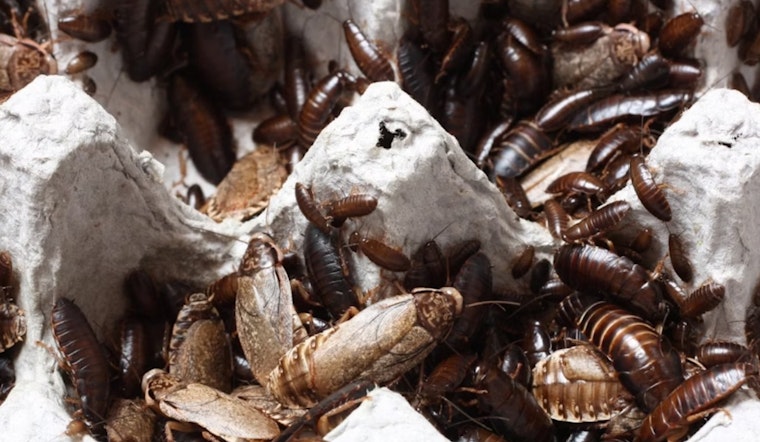
Researchers at the University of Cincinnati have revealed a peculiar similarity between pregnant cockroaches and expectant human mothers: both require increased amounts of sleep for the health and development of their offspring, according to a recent study published in the Journal of Experimental Biology. The study delves into the sleep patterns of the Pacific beetle-mimic cockroach, a viviparous insect species akin to humans in that it gives birth to live young rather than laying eggs. "A lot of us take adequate sleep for granted because we don’t usually experience an immediate adverse effect of sleep deprivation," Oluwaseun Ajayi, a postdoctoral researcher and co-author of the study, told a University of Cincinnati news release.
The investigation conducted by UC researchers highlighted that disturbances to a mother cockroach's sleep negatively impact the babies, prolonging their gestation and affecting the production of milk proteins needed for their growth. This research underscores the broader implications of sleep on pregnancy and development, not just in insects but potentially in humans too.
The study's findings provide concrete evidence supporting the necessity of adequate rest during gestation, a period critical for the proper development of embryos, whether they be insect or human. For the cockroaches researched, the milk proteins synthesized by the mother are pivotal for the young during their three-month gestation in what is described as a broodsac. Gabrielle LeFevre, a chemistry major and UC student involved in the study, expressed enthusiasm for the opportunity to partake in research that extends beyond theoretical learning to practical application and discovery, a sentiment echoed by her colleagues.
Students participating in original research at UC, like LeFevre, gained valuable hands-on experience. "It is a great opportunity that I would wholeheartedly recommend," she shared with the UC news release. The collaborative environment in Professor Joshua Benoit's biology lab proved inspiring and beneficial for the personal and professional growth of the students involved. The team, which included other UC students and Sinead English from the University of Bristol, focused on the correlation between maternal sleep and the health of offspring in both insects and, potentially, by extension, humans.



