

























































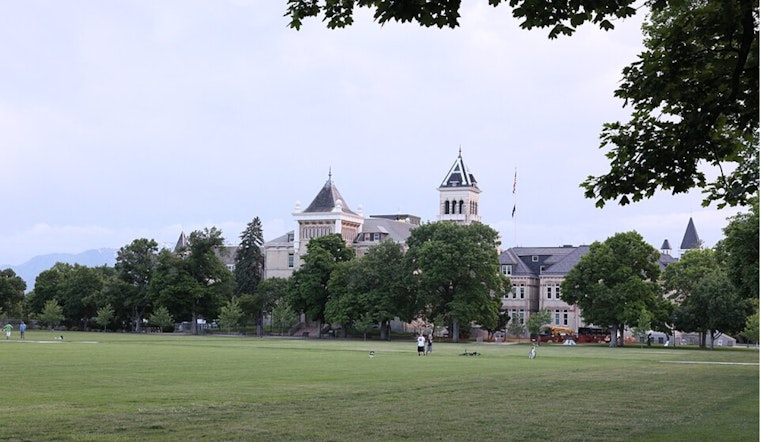
Students from Utah State University are making practical strides in rangeland management, thanks to a symbiotic partnership with local nonprofit Working Lands Conservation. Through USU's Quinney College of Agriculture and Natural Resources summer internship program, undergraduates spent their summer in the fields of Logan, Utah, diving into the complex interplay between grazing and environmental health.
This initiative not only enriches student education by transforming theoretical knowledge into real-world experience, but it also supplies participating agencies and organizations, like Working Lands Conservation, with a cadre of enthusiastic, knowledgeable temporary employees. According to USU Today, the program "connects undergraduate students with state and federal agencies and nonprofits," providing valuable professional skills and networking opportunities that are instrumental in shaping their future careers.
The mutual benefits of this collaboration are apparent, as it aids in addressing pressing environmental challenges while fostering community support, especially significant for rural areas where such engagement is critical. Students are not only earning while they learn, but they are also actively contributing to conversations about sustainable practices in rangeland management, an endeavor that poses various ecological implications.
By involving students in hands-on fieldwork, USU is bridging the gap between academia and practical application, reinforcing the importance of innovative educational programs. The interns' work this summer, as they analyzed the impacts of grazing on habitat health, becomes a small yet potent piece of a much larger mosaic, one that reflects the ongoing commitment to rangeland sustainability and vital ecological stewardship.





