

























































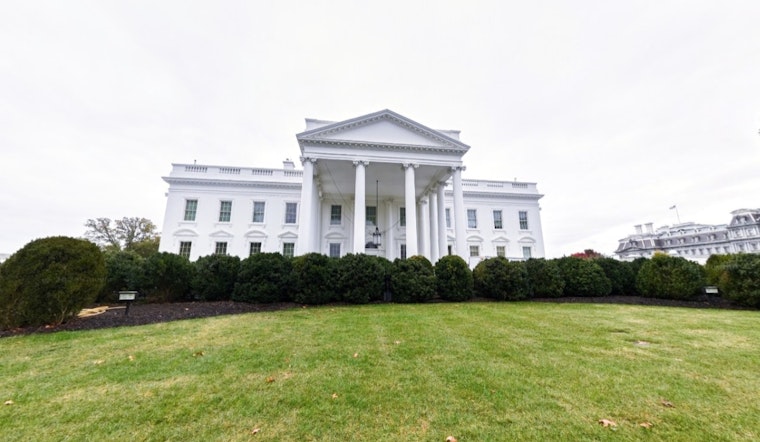
Yesterday, the White House took a bold move to further cement America's position as a leader in the commercial space arena. A new Presidential Order aimed at stimulating the competitive nature of the domestic space industry was released, confirming the administration's dedication to ensuring that the United States remains the prime location for cutting-edge space industries. According to The White House, this order seeks to streamline the regulatory processes that have historically hindered the industry's growth, such as licensing and environmental reviews, and to foster innovation and deregulation.
With a clear focus on national prosperity and security, the order outlines strategies to quicken the pace at which US space operators can launch and return from space missions, drawing on the legacy of American space exploration since the 1969 Moon landing. There's recognition that streamlining these processes is crucial for economic expansion, as well as for maintaining the edge in national defense and achieving Federal space goals. Embedded within this directive, there's an order specifically targeting regulatory barriers that affect commercial launches and reentry operations, mandating the Secretary of Transportation to take drastic measures to improve the efficiency and reduce the time frame for environmental reviews and license granting.
To nurture next-generation spaceport infrastructure, the Secretary of Commerce is required to assess state compliance with relevant acts and to work in conjunction with other agencies for streamlining spaceport development. This is particularly relevant where local limitations on Federal lands may conflict with national space advancement goals. The roles of the Secretaries of Defense, Commerce, Transportation, and the Administrator of NASA are underscored in seeking that their respective environmental and administrative reviews for development projects are expedited.
Furthermore, to ensure the U.S. retains a dominant role in space, the need for a new process to govern novel space activities is obvious, especially for those not currently covered by existing regulations. The order mandates that the Secretary of Commerce propose a process for individualized mission authorizations that can keep pace with the rapid development of the space industry. This new process is expected to reflect American space competitiveness and superiority while still aligning with international commitments like the Outer Space Treaty of 1967. In tandem, a high-ranking executive within the Federal Aviation Administration is set to be dedicated solely to boosting innovation in commercial space transportation as per the directive.





