

























































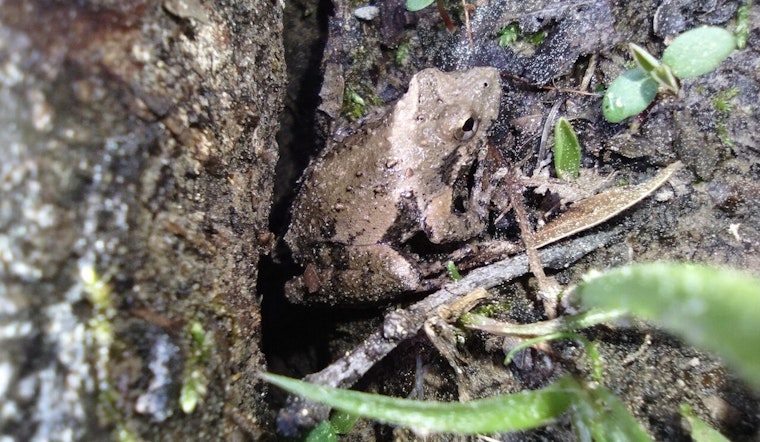
In a move balancing infrastructure development and species preservation, the Wisconsin Department of Natural Resources (DNR) has proposed a permit that acknowledges the possibility of incidental harm to Blanchard's cricket frog, a rare amphibian, because of a transmission line project. The DNR's decision centers on a 14-mile segment of an electric transmission line—specifically the Y-109 Darlington to Rock Branch, overseen by the American Transmission Company (ATC)—running through Iowa and Lafayette counties, where these endangered frogs have made their home.
While the notion of incidental take might raise alarm, the DNR explains that this type of harm does not threaten the survival of the species as a whole; it's about the unintended impact on individual members that doesn't jeopardize the entire population, and in this case, the frog's chance of survival recovery or the habitat critical to its existence in the development zone are deemed to be not at risk. Even as the department acknowledges environmental impacts with this transmission line upgrade, time and thought have been dedicated towards crafting this unique permit; to minimize adverse effects and enhance the long-term welfare of the Blanchard’s cricket frog.
According to the DNR's announcement, the project by ATC to reconstruct the aging electric transmission route is critical to maintain reliable service in the area. However, with the presence of the state-endangered Blanchard's cricket frog confirmed near the project site, added precautions are being rolled out. These conservation measures, integrated into the permit, aim to reduce the potential for these frogs to be incidentally taken, ensuring operational proceedings consider the ecological footprint and the region's biodiversity.
The official statement from the Wisconsin DNR clarifies that "the proposed project is not likely to appreciably reduce the likelihood of the survival or recovery of the species within the state, the whole plant-animal community of which it is a part of or the habitat that is critical to its existence," ensuring the public that while development forges ahead, the conservation of the Blanchard's cricket frog remains a priority.





