

























































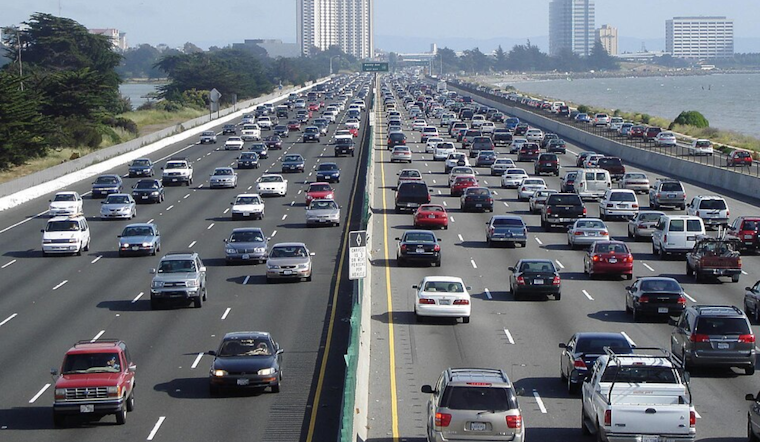
Beginning October 1, clean-air vehicle drivers who have enjoyed less congested commutes across the Bay Area will need to adjust to a significant change. According to a recent article by the San Francisco Chronicle, the end of this month marks the expiration of California's Clean Air Vehicle decal program, meaning solo drivers of electric, plug-in hybrid, and hydrogen fuel cell cars will no longer have the privilege of zipping past traffic in carpool lanes.
Due to a federal sunset provision, as the California Air Resources Board noted, solo drivers with clean air vehicles will have to share lanes with other freeway users, like they have never enjoyed an express commute. The Valley Transportation Authority (VTA) announced these drivers will also lose their discounted tolls on Silicon Valley Express lanes. CAV drivers are expected to meet the posted occupancy requirements or face citations starting in October. For those with FasTrak CAV toll tags, there's no need for a new device; they will begin charging the standard rate the morning of October 1.
This means a more crowded commute and potentially higher costs for thousands of clean-air vehicle drivers. Bridge and express lane discounts currently associated with FasTrak CAV toll tags will disappear as the tags revert to standard FasTrak Flex, charging full tolls unless occupancy requirements are met. The San Francisco Chronicle article explains that carpooling with friends or coworkers may help maintain some commuting perks, while others may find themselves budgeting extra time for their travels.
For those hoping to retain access to carpool lanes, the options are sharing rides or signing up for rideshare programs like Bay Area 511. They must adjust to paying full tolls on Bay Area bridges once the program ends. The last chance to apply for a decal came and went on August 29, and electric vehicle owners are now urged to consider their post-decal strategy. In preparation for the change, the San Francisco Chronicle also offers advice on removing expired decals, suggesting to "gently heat the sticker with a hairdryer on a low setting," then to "peel the decal off slowly," avoiding damage to the vehicle paint. If residue remains, a paint-safe solvent is recommended for cleanup.





