

























































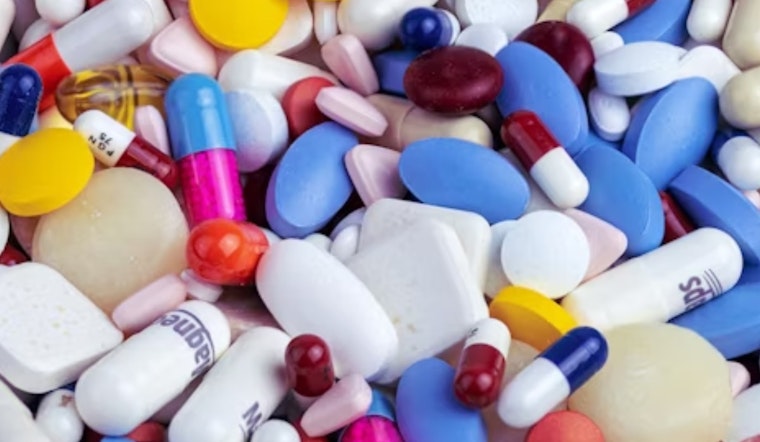
Carrollton is set to join forces with the Drug Enforcement Administration (DEA) for National Prescription Drug Take Back Day, offering residents a safe way to dispose of unwanted medications. The event is scheduled for Saturday, October 25, from 10 a.m. to 2 p.m. and will take place at the south parking lot of the Carrollton Police Station, located at 2025 E. Jackson Road. As part of the DEA's nationwide effort, Carrollton locals can hand over expired, unwanted, or unused pharmaceutical substances and other medications to law enforcement, ensuring they're properly destroyed. Importantly, the DEA makes clear this is a "no questions asked" service, with anonymity fully respected and no requests for ID to those who participate.
According to the City of Carrollton, the public is encouraged to bring medications in their original containers. This includes controlled, non-controlled, and over-the-counter substances. Solid dosage pharmaceutical products and liquids in consumer containers are also welcome. However, some items will not be accepted: no biohazard materials, sharps, inhaler medications, or bulk medications from clinics and hospitals. This initiative looks to directly combat the staggering figures reported in the DEA's national survey on drug use and health, which found that an alarming 18.6 million Americans over the age of 12 have misused controlled prescription drugs over the past year.
The DEA states that programs like the Prescription Drug Take Back events are key to helping minimize the risks of accidental poisonings, overdoses, and the broader issue of substance abuse. The city of Carrollton has seen a significant amount of drugs collected through these events, tallying over 12,512 pounds since October 2017. Flushing down unused drugs is a big no-no, as it can lead to water contamination and a slew of harmful environmental impacts. Therefore, such events serve the dual purpose of safeguarding both public health and the environment.





