

























































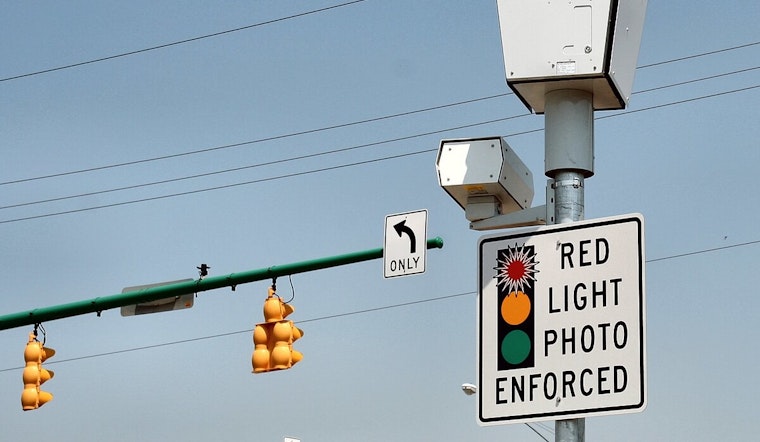
Chicago's network of speed cameras has intensified its watch over motorists after the introduction of 22 new cameras rolled out across the city in June. These cameras have been lauded for their vigilance; an analysis of city data by the ABC7 Chicago revealed that these additions contributed to the issuing of more than 91,000 speeding tickets within the span a mere month. This sudden increase accounts for 38% of all tickets issued by speed cameras in Chicago for that period, shedding light on the city's tightening grip on traffic violations.
Prompted by a need to fill a financial void in the 2025 budget, the deployment of new speed cameras was a part of a controversial broader effort to curb speeding while raising funds. Among the surge, a camera positioned near a daycare at 3358 South Ashland stood out by generating a staggering 21,180 tickets, as reported by ABC7 Chicago. Additionally, data compiled by The Chicago Sun-Times/WBEZ shows the city's 186 cameras in total issued over 240,000 tickets in June, marking the most prolific month of ticketing in nearly three years.
However, this surge in ticketing has not gone without scrutiny. The equity of the program has been called into question, with studies indicating a disproportionate impact on Black and Brown drivers. In response, the City Council assembled a task force aimed at reforming the cameras to instill fairness. The Equity in Enforcement working group, as they've been named, have sought public input and are expected to present their findings later this month.
Concerns over fairness were further echoed by Stacey Sutton, a professor at the University of Illinois Chicago. "Until we address the regressiveness of this, it will never be fair," Sutton told The Chicago Sun-Times. Her research has suggested that altering the ticket fee structure could potentially lessen the burden on lower-income drivers and influence the behavior of wealthier ones. Sutton's study also implies that while some cameras evidently promote road safety, others appear less effective, presenting an opportunity for the city to reassess and align the speed camera locations with their intended purpose.
As the debate over the balance between safety benefits and revenue generation continues, the city maintains that speed camera placements are influenced by a "data-driven approach." The challenge remains to ensure that these tools serve primarily to safeguard its citizens on the roads, rather than to simply fill financial gaps in the municipal budget. The outcome of the upcoming City Council meeting and the recommendations set forth by the Equity in Enforcement working group may very well dictate the future trajectory of Chicago's speed camera program and its role within the fabric of urban penalty and precaution.





