

























































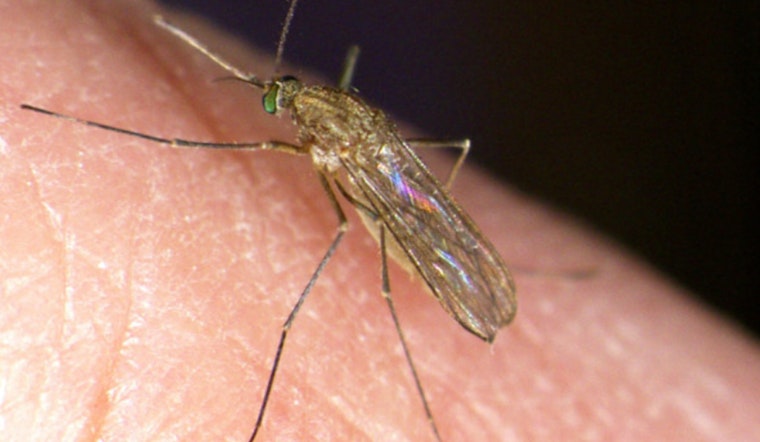
The Massachusetts Department of Public Health (DPH) has confirmed this year's first human case of West Nile virus, affecting a woman in her 70s from Middlesex County. The news comes with a warning from health authorities regarding the ongoing risk of mosquito-borne diseases in the state.
Public Health Commissioner Robbie Goldstein, MD, PhD, highlighted that despite the arrival of cooler September temperatures, the threat from West Nile virus remains significant. "While September brings cooler air and the return to school for many in the state, the risk from WNV is going to be elevated for some time," Goldstein warned, as noted in a statement on Mass.gov. Residents are advised to continue exercising precautions against mosquito bites.
Earlier in the season, the first positive WNV mosquito sample in the state was reported on June 17. To date, authorities have detected 319 WNV-positive mosquito samples across multiple counties, including a case involving a WNV-infected goat. While 10 municipalities in Suffolk and Middlesex counties are currently at high risk, 193 municipalities in numerous counties hold a moderate risk status for WNV, based on the DPH's latest updates.
State Epidemiologist Dr. Catherine M. Brown also reiterated the importance of protective measures against mosquitoes: "The mosquitoes will be with us until the first hard frost," said Brown on Mass.gov. She added that people should "use mosquito repellent with an EPA-registered active ingredient, wear clothing to reduce exposed skin, and consider rescheduling outdoor activities that occur during the evening or early morning." These statements echo the continuing efforts by the DPH to remind citizens of the effective steps to mitigate the risk of infection from mosquito bites.
With no reports of human or animal cases of Eastern equine encephalitis (EEE) this year, and only 18 positive mosquito samples, the focus remains strongly on combating the spread of WNV for the time being. Authorities urge residents to eliminate standing water, keep outdoor areas around the home clear of potential mosquito breeding sites, and maintain protective measures for domestic animals, particularly horses that are more susceptible to WNV and EEE. As the DPH updates its Arbovirus Surveillance Information page daily, concerned residents can stay informed on the latest findings and safety guidelines.





