

























































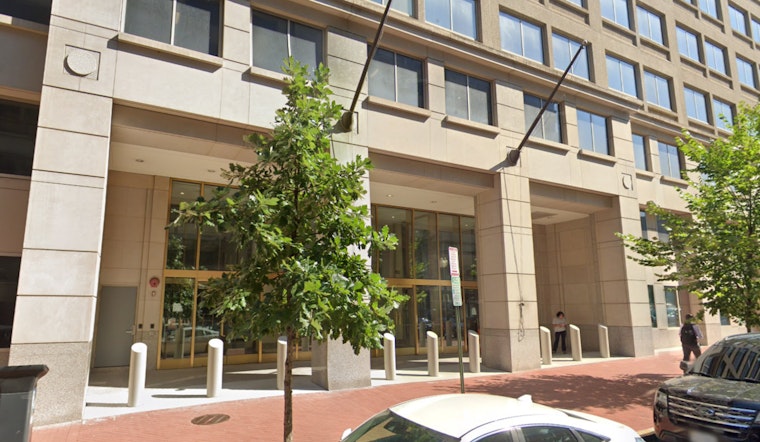
In a recent unfolding at the U.S. District Court, former D.C. Department of Corrections caseworker Herbert Baylor, aged 68, was sentenced to a term in federal prison for his involvement in a contraband smuggling operation within the Corrections system. According to an announcement from U.S. Attorney Jeanine Ferris Pirro, Baylor received a six-month prison sentence followed by six months of home detention.
Judge Tanya Chutkan also mandated one year of supervised release and 60 hours of community service for Baylor after his guilty plea on April 16 to one count of bribery, in a case marked by transactions made in shadow and smoke, culminating in moments of illegality within the walls of the Correctional Treatment Facility. Meanwhile, Pamela Porter, 56, was handed six months of home detention for her part in the same scheme, after her April 17 guilty plea to bribery. Porter, too, is required to complete community service—60 hours of it, as per the Justice Department's release.
Details from court documents reveal that Baylor, tasked with the rehabilitation and oversight of inmates at a facility specializing in medical treatment for substance dependencies, chose to leverage his position in a lucrative contraband trade. From October 2023 to June 2024, Baylor worked with an inmate, identified only as Inmate-1, and other external partners, including Porter, to smuggle items like cigarettes and controlled substances into the facility in exchange for payments made via CashApp. The operation totaled nearly $8,000 for Baylor, with Porter contributing $1,200 to the scheme.
It was on September 19, 2024, under the guise of a request to contact an attorney for an appeal, that Inmate-1 coordinated with Baylor to set up the smuggling of Suboxone strips into the Correctional Treatment Facility. Instead of seeking legal council, Inmate-1 contacted an individual, referred to as Individual-1, to arrange the delivery of these prohibited objects — which Baylor later attempted to sneak in, concealed in a cigarette carton. Baylor's arrest came on September 23, 2024, just moments after crossing the threshold of security with the illegal goods stashed within his clothing.
Baylor's actions blatantly contravened the DOC's Contraband Control policy, which strictly prohibits the trafficking of any contraband to inmates — categorizing any illegal drug or controlled substance, and any tobacco product, as major contraband. The policy underscores the integrity and safety protocols ingrained in the fabric of the Corrections workplace, an environment Baylor compromised for clandestine benefit. The investigation, led by the FBI's Washington Field Office alongside the D.C. Department of Corrections Office of Investigative Services, brought Baylor's infractions to light, culminating in the legal repercussions now being reported.





