

























































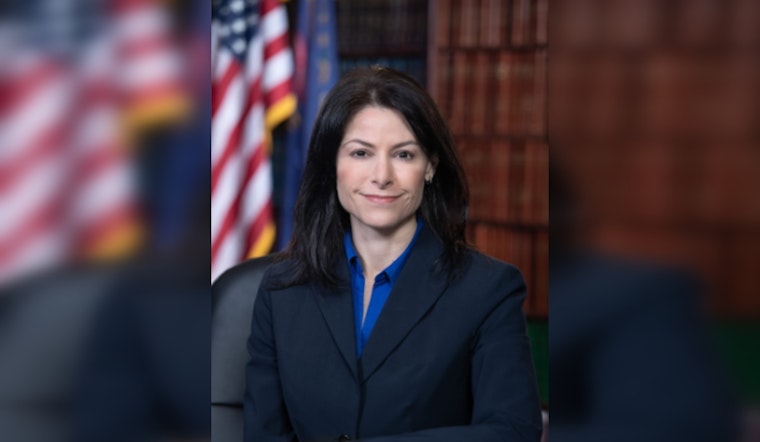
Michigan's Attorney General Dana Nessel labeled Corewell Health's recent decision to halt certain transgender healthcare services for minors as "deeply disappointing." In a choice considered to be in line with the pressure from the federal administration's policies, Corewell discontinued providing forms of gender affirmation care that are critical to the transgender community. Nessel pointed out that there is no change to Michigan law, which still legalizes gender affirming care, and she criticized the healthcare provider for preemptively yielding to a discriminative federal stance. This information has come to light through an announcement published on the official Michigan Department of Attorney General website.
The repercussions of Corewell's decision, according to Nessel, are wider than they might initially appear. She argues that the hospital is setting an unsettling precedent by ignoring scientific and medical advice. As the federal administration waves its influence over public health, Nessel poses a rhetorical question, sourced from the Michigan Department of Attorney General announcement, inquiring whether this will embolden the government to challenge other aspects of healthcare such as reproductive rights or vaccination practices. This move by Corewell is seen as part of a dangerous trend towards institutional compliance without legal provocation.
The Michigan Department of Attorney General hasn't been quiet about the issue. They have actively filed lawsuits to contest what they deem as the Trump administration's illegal actions against healthcare providers offering gender affirming care to youth. Nessel highlights at least one instance, shared in an official document, where a court found the administration's investigative actions against medical providers to be unlawful. Her office is urging healthcare providers across Michigan to take a stand in defending personal healthcare decisions that should be making in consultation with medical professionals and family, rather than succumbing to governmental pressure.
In a show of solidarity, Nessel’s statement, as published on the Michigan government website, expressed support for "all of Michigan’s patients and the many medical institutions that continue to respect the law, eschew the discriminatory actions preferred by the federal administration, adhere to science as practiced and prescribed by expert physicians, and choose to take on the fight against those targeting their patients for political purposes." It is a call to action for healthcare institutions to base their practices on empirical science and the well-being of patients, rather than the shifting sands of political winds. And in these times where the battleground of health is as much in government press releases as in the hospitals and clinics, this call is more than just words; it's about the lives of young people in desperate need for understanding in a system that seems increasingly indifferent to their realities, as stated by the Michigan Department of Attorney General.





