

























































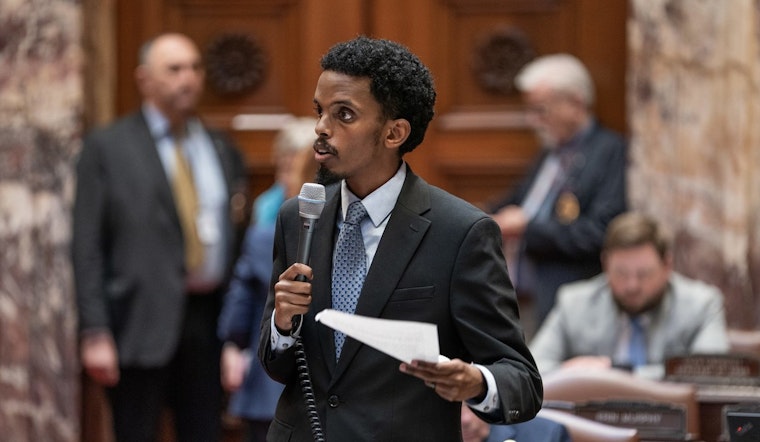
Minnesota Senator Omar Fateh has voiced his opposition to the University of Minnesota's decision to host a Customs and Border Protection recruitment webinar. In a sobering critique covered by Senate DFL, Fateh described the move as an unwelcome embrace of what he suggests are draconian immigration policies associated with the Trump administration. "I am disturbed by the University’s hosting of a recruitment webinar for Customs and Border Protection, an arm of Donald Trump’s escalating persecution of immigrants and refugees in this country," states the senator's published statement.
Fateh's statement continues with allegations that federal immigration enforcement agencies have been overstepping their bounds on college campuses. He accuses them of "weaponized" actions like unlawful surveillance and the detention of students, which he argues subvert both family bonds and constitutional guarantees. "The federal government has weaponized immigration enforcement agencies on college campuses to unlawfully surveil and abduct students, tearing apart families and the Constitution all at once," he argues.
The senator also highlights the repercussions of these practices on the student visa system, noting the political manipulation that has led to the revocation of thousands of visas and heightened scrutiny of applicants based on ideology. Fateh takes the standpoint that such practices not only violate students' rights but also represent a betrayal by the university if it chooses to assist these organizations through academic partnerships.
Moreover, Fateh touches on the broader implications of ice-cold tactics being employed, suggesting that they are a method of extending Trump's foreign policy objectives into academic spaces. He claims, "The Trump government is investigating the University of Minnesota as an extension of Trump’s foreign policy." The senator condemns potential collaboration with immigration authorities as antithetical to Minnesota's values, especially considering the legal actions being taken against the state for its Minnesota Dream Act, which Fateh staunchly defends.
The underlying argument of Senator Fateh's statement is a call for educational institutions to stand against the involvement of CBP and ICE in academic endeavors. Indeed, the senator perceives such cooperation not only as a tacit endorsement of controversial federal policies but also as a fundamental straying from the principles of academic freedom and sanctuary that he believes should define an entity such as the University of Minnesota.





