

























































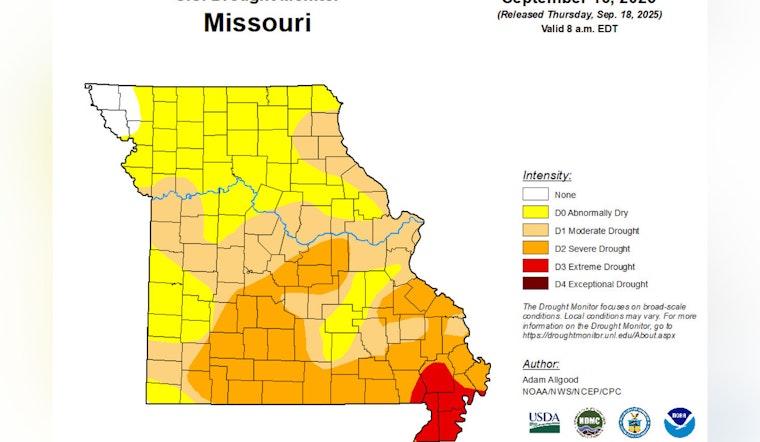
With the state grappling with an ongoing drought, the Missouri Department of Natural Resources has put out a call for residents to actively report local conditions. According to information obtained by the Department of Natural Resources official news release, these firsthand accounts are crucial in piecing together the broader picture of the drought’s impact across Missouri. Citizens are prompted to use the Condition Monitoring Observer Reports (CMOR) service, an initiative that crowdsource's reports on drought as they unfold.
The severity of the drought requires the state to quickly mobilize, and individual reports can be used to directly inform state and federal efforts. The state's Climate and Weather Committee is working alongside the State Climatologist and the National Weather Service to monitor the situation. The CMOR service allows Missourians to easily contribute by documenting and submitting local weather conditions through an accessible online platform. This data, which residents can update as often as they'd like, helps to ensure that the national drought map accurately reflects real-time conditions in their locales.
As described in the news release, the data harvested through CMOR doesn't just sit on a server. It appears immediately on an interactive map, accessible by the public, the media, and authors of the U.S. Drought Monitor. The Drought Monitor plays a key role in activating federal aid, including disaster declarations and assistance programs for those hardest hit by drought conditions. Moreover, it assists state and local decision makers in initiating responsive actions to combat the drought's adverse effects.
Reports should include detailed observations on how current conditions compare to typical ones in their area, with a specific emphasis on impacts across various sectors. These sectors range from agricultural production to public health and municipal water supplies. The Department of Natural Resources underscores the importance of these contributions, urging people to also submit photographs to visually represent the extent of drought in their communities. This process allows users to not only highlight current challenges but also to provide a context of comparison against normal and wet conditions throughout the year.





