

























































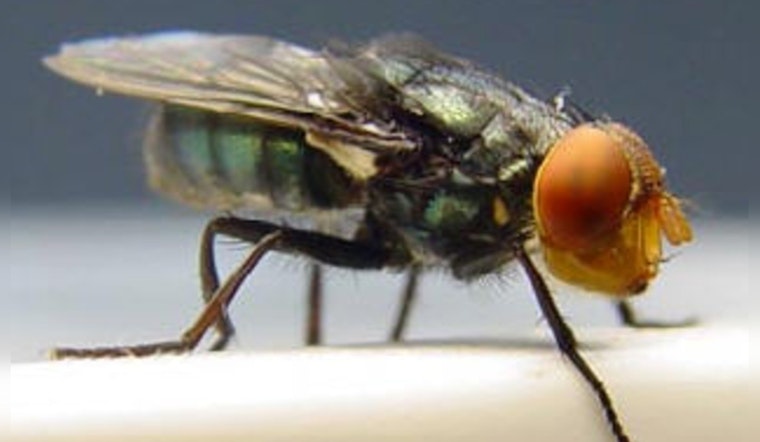
In a recent update from Mexico's National Service of Agro-Alimentary Health, Safety, and Quality (SENASICA), officials have confirmed a new case of New World screwworm (NWS) in Sabinas Hidalgo, Nuevo León, raising concerns for the U.S. livestock industry due to its proximity to the border. The region is less than 70 miles from the border, and Sabinas Hidalgo is situated near a major trade route, intensifying the risk of the screwworm’s potential spread into the United States. USDA Secretary of Agriculture Brooke L. Rollins has emphasized the gravity of the situation, stating, "Protecting the United States from NWS is non-negotiable and a top priority of the Trump Administration," as noted by USDA.
According to a press release by the USDA, the affected animal, an 8-month-old cow had been moved from a southern Mexican region with active NWS cases to a certified feedlot in Nuevo León. This migration of livestock is of great concern and illustrates the need for stringent control measures as outlined in the U.S.–Mexico Joint Action Plan for NWS in Mexico. However, Secretary Rollins has signaled a firm stance, saying, “This is a national security priority. We have given Mexico every opportunity and every resource necessary to counter NWS since announcing the NWS Bold Plan in June 2025. Nevertheless, American ranchers and families should know that we will not rely on Mexico to defend our industry, our food supply, or our way of life. We are firmly executing our five-pronged plan and will take decisive action to protect our borders, even in the absence of cooperation. Furthermore, we will pursue aggressive measures against anyone who harms American livestock.”
Efforts to contain the screwworm outbreak have been substantial. The USDA, alongside Mexican authorities, has been monitoring close to 8,000 traps across Texas, Arizona, and New Mexico with over 13,000 screening samples submitted, but no NWS flies detected thus far. Additionally, the USDA is set to announce a significant initiative aimed at revitalizing the American beef industry, which includes plans to provide incentives to American ranchers.
In the wake of this threat, the USDA is aggressively implementing a comprehensive, five-prong strategy to protect national livestock and food security. An investment of $100 million has been allocated to the NWS Grand Challenge to foster technological advancements in the eradication effort, and construction of a sterile fly dispersal facility at Moore Air Force Base, in Edinburg, Texas is underway, slated for completion by the end of 2025. Further, interagency collaboration is at an all-time high with entities like CDC, FDA, and DHS all playing crucial roles in the national response plan.
To assist in the detection and prevention of this pest, USDA urges residents near the southern border to be vigilant. Individuals should inspect pets and livestock for signs of NWS and are advised to contact state animal health officials or USDA veterinarians if an infestation is suspected. "NWS maggots can infest livestock and other warm-blooded animals, including people," the USDA warns, emphasizing the importance of quick action if any lesions or suspicious symptoms are observed.





.jpg)