

























































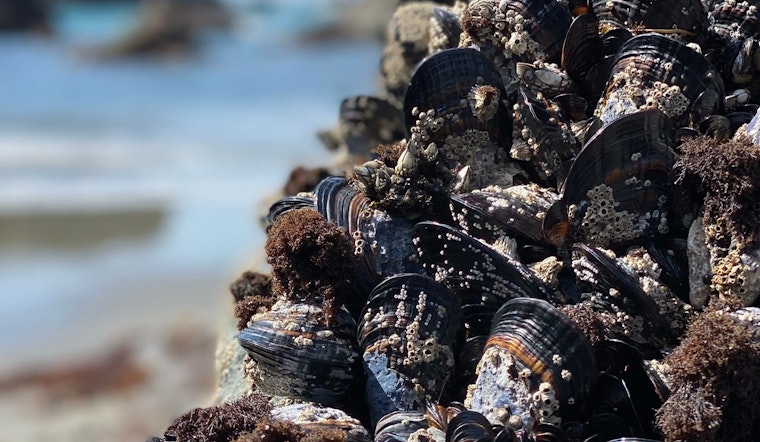
In an update that dampens the plans of shellfish enthusiasts along the Oregon coast, state authorities have clamped down on mussel harvesting across multiple areas due to health concerns. The Oregon Department of Agriculture and the Oregon Department of Fish and Wildlife have sounded the alarm about elevated levels of paralytic shellfish toxin, leading to a closure that extends from the Columbia River to the north jetty of the Siuslaw River in Florence, as reported yesterday.
For those keeping track, this means the entirety of mussel harvesting is also off-limits from Cape Blanco to the California border, and mussel harvesting is only open from the south jetty of the Siuslaw River to Cape Blanco, tossing a wrench into the operations of both recreational and commercial gatherers. The clampdown on open areas highlights the seriousness of the toxin's presence. Meanwhile, razor clamming has its own set of closures from the Washington border to Tillamook Head at Seaside for the annual conservation closure and also from Cape Blanco to the California border, yet it remains open between Tillamook Head and Cape Blanco. Thankfully, bay clamming and crabbing have managed to evade any closures and are open coastwide.
The regular testing for shellfish toxins by the Oregon Department of Agriculture occurs weekly, conditions permitting, indicating the authorities’ vigilance in protecting public health. The criteria for reopening an area require two consecutive tests showing toxin levels below the closure limit, according to the guidelines provided by the Oregon Department of Agriculture.
Recreational harvesters looking to keep abreast of the changing regulations can do so by ringing up the Oregon Department of Agriculture's shellfish biotoxin safety hotline or hitting up the Food Safety Shellfish Desk, for those enthused about digging their hands into the coastal sands for shellfish, these closures are but another hiccup in an industry at the mercy of nature’s fluctuations and public health concerns. Relevant information, including license requirements and limits, can be acquired from the Oregon Department of Fish and Wildlife, ensuring enthusiasts are well-informed before setting out with their buckets and shovels.
Keep an eye on the situation as it evolves by visiting the ODA's recreational shellfish biotoxin closures webpage, or stay informed via their safety hotline at (800) 448-2474 and the Food Safety Shellfish Desk at (503) 986-4726 for current and future developments on shellfish harvesting closures along the picturesque but now slightly restricted Oregon coast.



