

























































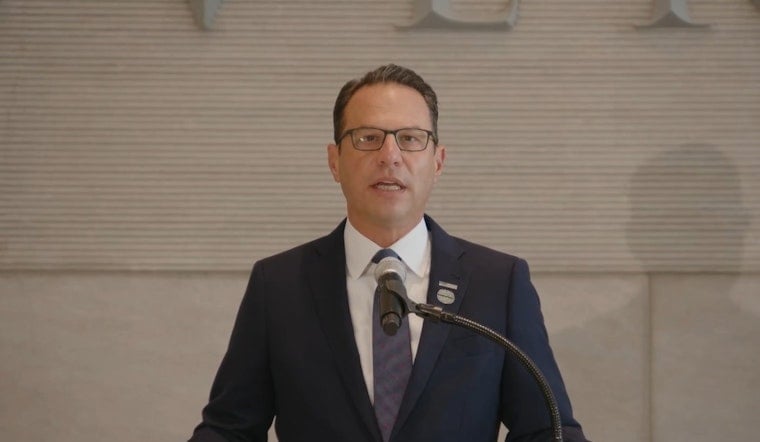
As the sun rose over the "City of Brotherly Love," a gathering of state representatives convened to discuss the future of the region's power grid. Governor Josh Shapiro took the podium at the Summit on the State of PJM Interconnection in Philadelphia, addressing leaders from all 13 states serviced by the PJM. According to a statement from Governor Shapiro, the summit served as a critical platform to address the need for modernization of the PJM interconnection, an entity responsible for keeping the lights on for some 65 million Americans.
In his opening remarks, Governor Shapiro emphasized that "the urgent need for PJM to modernize and adapt" was not just a matter of policy, but of practical urgency for the Mid-Atlantic and Midwest states relying on this grid whose veins and arteries spread across the vast American landscape to power homes, businesses, and life. The summit's historic nature lay not just in the breadth of its attendance but in the weight of its undertaking, it signifying a collective acknowledgment of a future where energy is not just consumed, but conscientiously and sustainably generated and distributed.
The gravity of Shapiro's message echoed through the hall as he spoke of an interconnected system that requires optimal performance and constant evolution to meet the demands of the present and the projections of the future. The summit highlighted the interconnected nature of energy, policy, and community, envisioning a more resilient grid that can stand up to the challenges of climate change, growing populations, and the technological advancements in renewable energy sources.
Throughout the summit, discussions centered on key areas for improvement within the PJM interconnection that includes enhancements in infrastructure, policies adapted for green technology integration, and fortification against cyber threats, all matters not only of state concern, but of federal interest, for the energy grid is both a local lifeline and a national asset. Shapiro hopes that this gathering will mark the beginning of a renewed commitment to ensuring the PJM not only keeps pace with current demands but sets the standard for energy grids across the nation.
As the summit continues, stakeholders, industry experts, and policymakers will delve into the particulars of how PJM can strategically evolve to handle the load of tomorrow. The outcomes of this summit may well dictate the energy policies and investment strategies for the coming decades, resonating beyond the boundaries of PJM states to influence the broader national conversation on energy independence and sustainability.



