

























































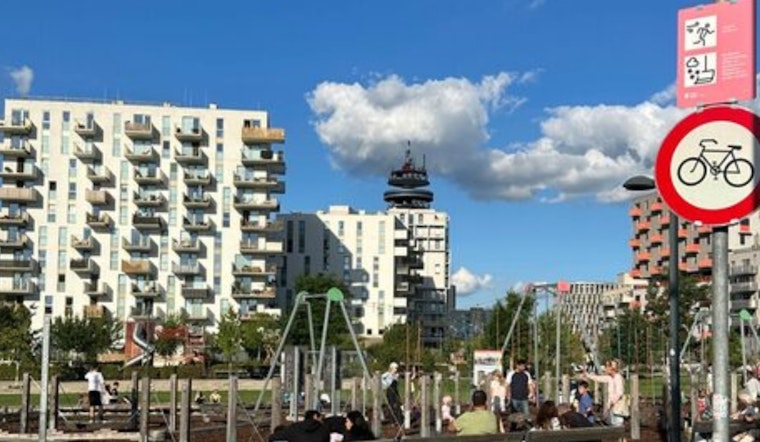
Portland officials recently explored Vienna's approach to housing and returned with fresh insights on how to reform the city's affordable housing policies. According to a published report by Councilor Candace Avalos, the key takeaway from their visit is the concept of housing as a human right—a principle firmly rooted in the Austrian capital's approach to public housing, as per the City of Portland.
Vienna's century-long dedication to maintaining public, high-quality housing is a stark contrast to the often-stigmatized and underfunded public housing projects in the U.S. Unlike the American model, where public housing often becomes synonymous with discrimination and disinvestment, Vienna's housing policy treats shelters as a form of public infrastructure, worthy of the city's care and attention. The idea isn't to offload responsibility to the private market but to sustain affordable living spaces as a matter of public service, much like a park or a roadway.
Direct discussions with the Vienna's housing policy experts allowed Portland officials to unravel the complexities behind the Austrian success story. Their findings illustrate a housing system supported by proactive measures, such as strategic land banking—which could enable Portland to secure permanent housing affordability—and a tenancy system offering a trifecta of protections: fixed rent prices, eviction safeguards, and landlord maintenance obligations. These measures contribute to the prevention of homelessness and allow residents to maintain stable homes.
However, the situation in Portland faces challenges rooted in historical federal policies, marked by racial discrimination and socioeconomic disparity. The existing model has handed over the reins to the private sector, often leading to a precarious rental landscape. A glaring example is the Woodspring Apartments saga in Tigard, where seniors had to contend with rent hikes after the expiration of affordable housing obligations set by the Low Income Housing Tax Credit program. The county's intervention by acquiring the property provided a respite. Still, Avalos underscored that this is just the tip of the iceberg, with thousands more affordable housing units in jeopardy across Oregon by 2030.
The contrast drawn between Vienna and Portland is clear and compelling. While nearly three-quarters of Vienna's residents are renters, it remains one of the world's most livable cities, showcasing that stability and quality in housing are integral to the vitality and longevity of urban communities. Per Avalos' experience, this model could be transformative for East Portland, where generations of marginalized groups have been displaced due to discriminatory housing policies.



