

























































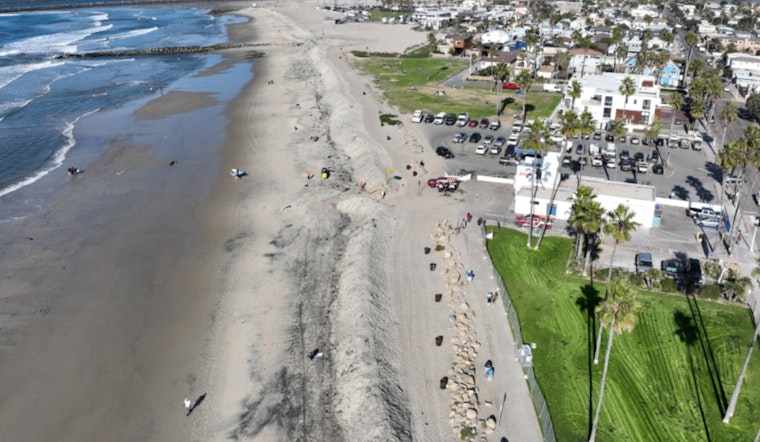
San Diego is stepping up its game against the encroaching threat of sea-level rise with a Coastal Resilience Master Plan that's set to reconfigure high-risk coastal areas of the city; by employing nature-based defenses, San Diego hopes to shield its iconic beaches and cliffs from the devastating effects of a warming climate. As reported by the City of San Diego, the plan was given the green light by the City Council and includes designs for elevated sand dunes and restored coastal habitats, focused on locations like La Jolla Shores and Tourmaline Surf Park.
The urgency underpinning this grand-scale environmental protection effort is grounded in predictions that sea levels could see a 5 to 14-fold increase in their rise rate over this century compared to the last; the city is confronted with an impending risk of coastal flooding and erosion that could place public assets valued between $208 and $370 million at risk by 2050, these figures come from a 2019 study and were highlighted by the City of San Diego. To counter this, projects at key locations like Dog Beach and Sunset Cliffs aim to bolster the natural barriers. These areas are cherished for their recreational value and ecological significance. Still, the master plan also contemplates improving access to these coastal gems and supports enhanced public transportation routes to the beaches.
Despite the unanimous approval by the City Council, the master plan isn't without its critics; notable dissent comes from residents and community leaders who worry about the implications of infrastructure changes, including potential paid parking at Sunset Cliffs and concerns over nature-based solutions possibly being inadequate in isolation. "We have received nearly universal condemnation of the idea of installing any paid parking at the cliffs or OB," Scott McCaskill of the Ocean Beach Community Foundation told The San Diego Union-Tribune, painting a picture of strong local opposition to some aspects of the plan.
Despite the framework laid out in high-level concept designs, city officials, including Chief Climate Resilience Officer Julia Chase, emphasize that these designs represent initial ideas with ample room for change, evolution, and refinement, especially after further technical studies and community engagement—the plan is a dynamic blueprint rather than a set-in-stone strategy, it entails additional steps before any real-world implementation which also involves environmental organizations throwing their support behind it, as Councilmember Jennifer Campbell reassured constituents by saying to The San Diego Union-Tribune, "these are conceptual ideas, we are in the trying-to-figure-it-out phase."




