

























































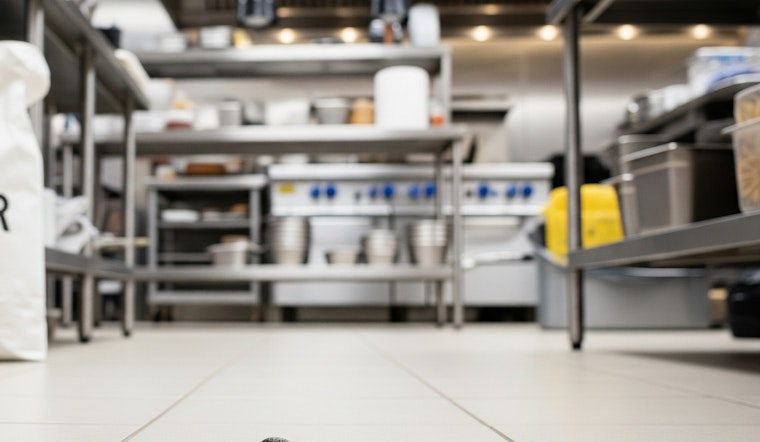
Rodent droppings scattered across kitchen floors, hiding in flour bags, and even nestled inside the walk-in cooler forced health inspectors to slam the brakes on Chicken G's Financial District operation last week. The halal fried chicken spot at 346 Kearny Street joined San Francisco's growing roster of restaurants brought down by unwelcome four-legged diners.
The September 4 closure came after San Francisco Department of Public Health inspectors discovered what they described as "an active rodent infestation" throughout the restaurant space. According to SFGate, the violations were extensive enough to warrant an immediate shutdown—rodent evidence was found everywhere from the basement storage areas to under dining room tables where customers had been eating just hours before.
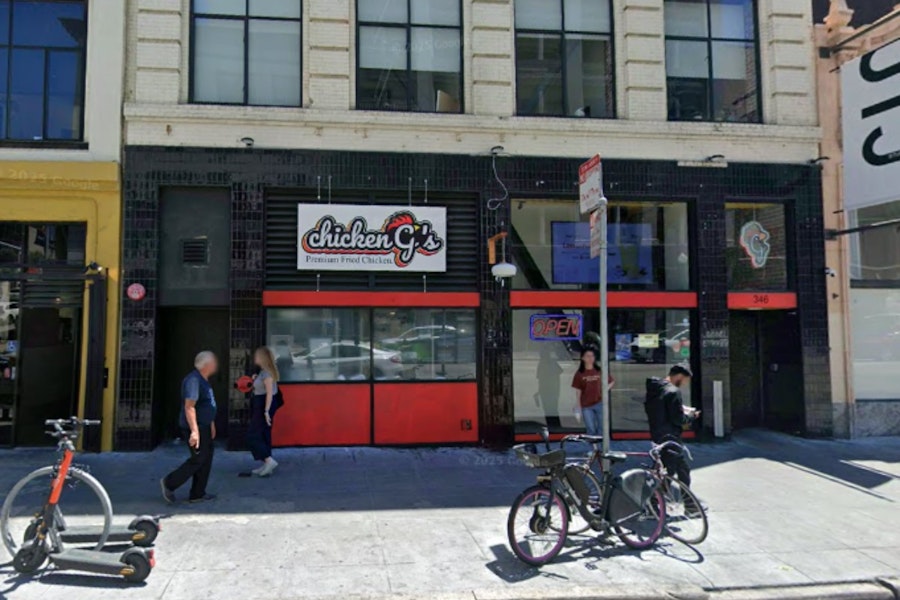
Source: Google Street View
Another Victim in SF's Pest Epidemic
Chicken G's became the latest casualty in what's shaping up as a particularly brutal year for San Francisco restaurants facing vermin violations. The closure adds to an alarming pattern that's seen everything from beloved neighborhood spots to established chains fumble basic sanitation standards.
Just weeks earlier, cockroaches overran kitchens at two popular SF restaurants, including the acclaimed Sunset dumpling house Dumpling Bites, where inspectors found "live nymphs crawling on the wok paneling." The Chronicle detailed how these violations forced immediate closures, disrupting operations for establishments that had built devoted followings over years.
The summer brought even more disturbing discoveries. Three restaurants were shuttered on the same day in June, including Ramen Hiroshi, where inspectors found rodent droppings "in the main kitchen, near the entrance, and around the walk-in cooler," according to What Now. Base Camp Nepal on Folsom Street met a similar fate in March after inspectors discovered what they described as "many live cockroaches inside kitchen equipment, rat droppings on the premises, and dead flies contaminating food storage spaces."
When Popular Spots Fall
What makes these closures particularly unsettling is how they've hit restaurants with solid reputations and loyal customer bases. Chicken G's had built a devoted following since opening its San Francisco location in July 2023, part of a three-location Bay Area chain specializing in what their website describes as "freshly hand-battered chicken" that's "never frozen, certified halal, hand-cut, antibiotic-free, cage-free, humanely raised."
Customer reviews had consistently praised the restaurant's generous sandwich portions and quality, with one Yelp reviewer calling their Big G sandwich "one of the best chicken sandwich I've tried to date" in Northern California. The restaurant's late-night hours made it a go-to spot for Financial District workers seeking post-happy hour sustenance.
But reputation means little when rodents take up residence. The health department's official inspection report reveals the extent of the contamination—droppings were found not just in obvious problem areas like storage spaces, but throughout the customer-facing areas where people had been dining.
The Broader California Crisis
San Francisco's restaurant rodent problem reflects a statewide pattern that's becoming impossible to ignore. A Cupertino Whole Foods has remained shuttered since April after inspectors found "an adult female roof rat" in the deli and German cockroaches near the bakery. The scale of that closure—a major grocery chain unable to resolve its pest problems for months—suggests these aren't isolated incidents of poor management.
Sacramento County has seen multiple restaurant closures this year, with some establishments harboring hundreds of live and dead cockroaches. Environmental advocates point to California's new restrictions on rodenticide use as a complicating factor, though that hardly excuses the basic sanitation failures these closures represent.
Quick Fixes Raise Questions
Chicken G's managed to reopen after just four days, following what the health department's reinspection report describes as swift remediation efforts. Staff removed rodent droppings throughout the facility, sealed openings under the walk-in cooler, and provided documentation of professional pest control services. Inspector Sophia Huie lifted the permit suspension on September 8, allowing the restaurant to resume operations.
While the rapid turnaround might seem like a success story, it raises uncomfortable questions about how extensive these infestations actually were and whether four days is really enough time to address what inspectors called an "active" rodent problem. The inspection report notes that work remains ongoing, including the removal of unused equipment that was providing "vermin harborage" in the basement.
For Financial District workers who relied on Chicken G's for their lunch routine, the closure serves as an unwelcome reminder that even popular, seemingly well-run establishments can harbor serious sanitation problems. In a year when San Francisco's dining scene has been repeatedly humbled by pest violations, trust becomes a precious commodity—and one that's increasingly hard to maintain when rodents keep showing up where they definitely shouldn't be.





