

























































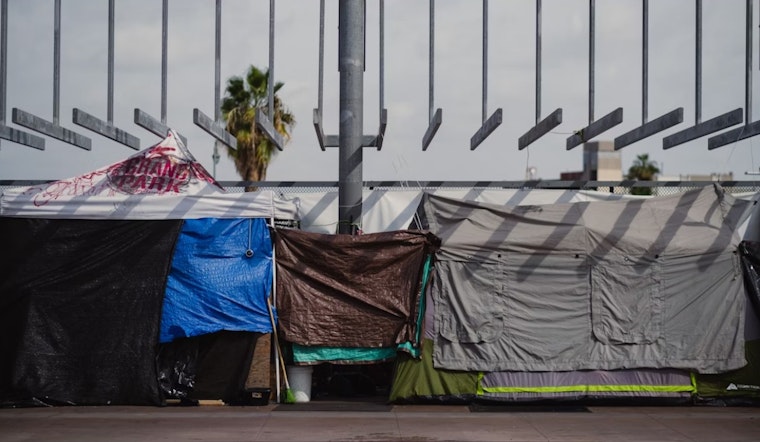
In a recent display of commitment towards environmental stewardship and social responsibility, San José has been actively grappling with the dual challenge of unsheltered homelessness and waterway pollution. A meeting last week with the regional Water Board showcased the city's efforts under the stringent guidelines of the NPDES permit to mitigate the environmental impacts of homelessness on its creeks.
As reported by the City of San José, the National Pollution Discharge Elimination System (NPDES) Municipal Regional Stormwater Permit Direct Discharge Trash Control Program is a framework San José has been tailoring to combat the presence of trash and biowaste in waterways, predominantly originating from homeless encampments and illegal dumping. The Guadalupe River and Coyote Creek, designated as “Impaired Water Bodies,” are primary targets for cleanup, in alignment with requirements outlined in June 2024.
The city’s approach isn't just regulatory but also humanitarian, with the Housing Department opening nine interim housing sites since August 2024 and planning to unveil more soon. This housing continuum seeks to seamlessly link temporary shelters and supportive services to long-term housing solutions. "With care and compassion for our unhoused residents, our City works as One Team," City Manager Jennifer Maguire told the City of San José, emphasizing the intention behind the initiative.
In the fight against environmental degradation, San José has taken proactive measures to combat environmental degradation. Notably, the BeautifySJ Encampment Management Program’s efforts have led to the designation of 16 miles out of a planned 26 miles of waterways as No Encampment Zones, which are closely monitored to deter the re-establishment of encampments. According to Mayor Matt Mahan, these zones play a pivotal role in fostering a sustainable environment and curtailing the era of unhoused living arrangements on the riverside.
Eileen White, Executive Officer of the Water Board, commended the city's comprehensive coordination with various entities, underlining its significance in improving water quality and offering housing solutions. "San José is leading the way in controlling trash to improve water quality and addressing unauthorized dumping and homeless encampments," White said, as captured by the City of San José. The city’s vast area, which encompasses about 130 miles of waterways, poses a considerable challenge in this uphill battle against pollution and homelessness.




