

























































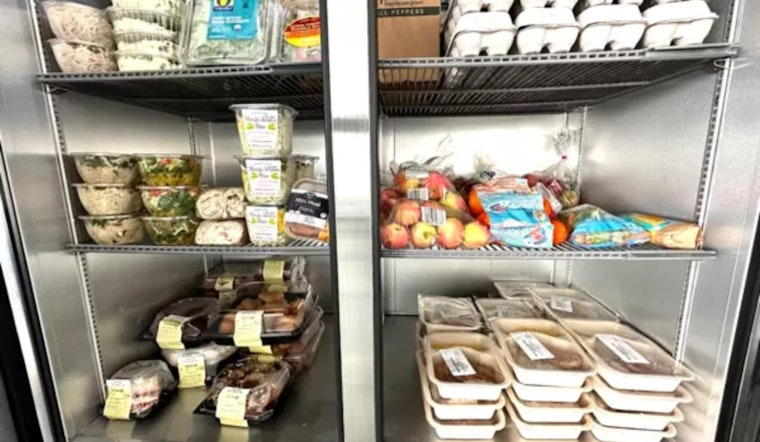
Innovative efforts to address food insecurity within Santa Clara County are making strides as a collaboration between the County of Santa Clara, Joint Venture Silicon Valley, and local nonprofits brings surplus food directly to residents of affordable housing developments. The pilot program, backed by the County Public Health Department, introduced commercial refrigerators filled with food to four housing sites, according to the County of Santa Clara.
Working closely with Martha's Kitchen, these refrigerators were stocked with various foods, including fresh produce, shelf-stable items, and ready-to-eat meals. As the curtains fell on the pilot phase, all sites have chosen to maintain the program, bringing into sharp focus the sustainability and zero ongoing cost to the county. "Investments in innovative pilot programs like this are part of the Public Health Department's commitment to sustainability and equity," Angélica Díaz, Healthy Communities Branch director for the County of Santa Clara Public Health Department, told the County of Santa Clara.
The program taps into the surplus food made available under SB 1383, the state law requiring certain businesses to donate excess edible goods that might otherwise be discarded. This comes at a crucial time when the SNAP program, or CalFresh in California, faces significant federal funding reductions, potentially impacting up to 55,000 individuals out of the nearly 134,000 in the county who rely on this assistance to afford groceries.
During the pilot, Martha’s Kitchen distributed 34,000 pounds of food, managing to deliver meals to community members in collaboration with First Community Housing and Alta Housing.
Resident feedback from the affordable housing sites was resoundingly positive. Data showed that 82% of surveyed residents consumed more fresh fruits and vegetables, and 73% reported decreased food insecurity. Additionally, 87% felt the presence of the program strengthened their community ties.



