

























































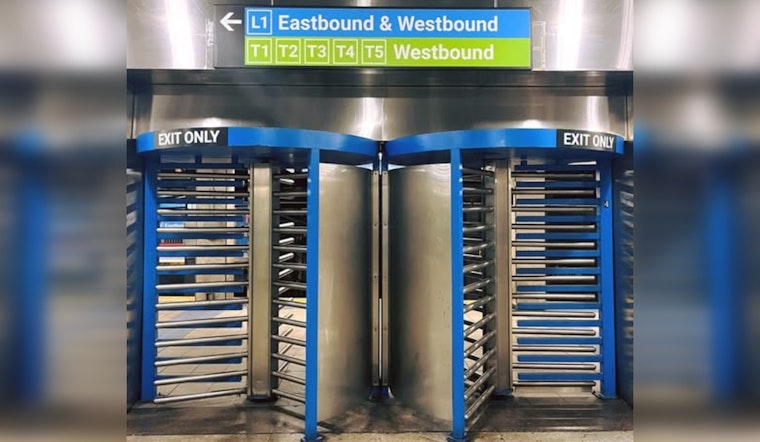
It's been several months since the Southeastern Pennsylvania Transportation Authority (SEPTA) shook up its traditional naming convention for the city's transit lines in favor of a more streamlined approach, employing letters and colors to guide the daily commute of Philadelphians. SEPTA officials have actively reminded both the old hats and new riders of this change through social media, indicating a positive public reception. "We officially started using the new Metro terminology in February 2025 and... it's catching on!" SEPTA announced in a recent post on their official Facebook page.
The drive to reconsider the previously used labels, like the “Market-Frankford Line” or numbered designations akin to bus routes, say “Route 11 Trolley,” arose from the consensus that riders prefer an elemental system, which resonates with the existing names and colors much rather than overhauling the entire system; SEPTA based this decision on targeted research seeking transit user's preferences, which found that riders favored familiarity and ease of recognition. However, the same research played a pivotal role in deciding which letters to assign to each line, ensuring that each new identifier correlates somehow to its historical or colloquially known counterpart.
Wondering why the Market-Frankford Line now goes by 'L'? According to SEPTA, "the most common name for the Market-Frankford Line is 'the El,’” with the moniker deeply entrenched among more than 75% of its riders; thus, the decision to adapt 'L' as its new official denotation was a nod to the existing lingo. It's an age-old nickname that reflects a piece of Philadelphia's transit heritage, and it appears it's here to stay, even though SEPTA opted for brevity dropping the "e" in their adaptation.
As for the green T that now symbolizes the 10, 11, 13, 34, and 36 Trolleys, it's not just a random pick out of the hat—the route was already unofficially referenced as the “green line” by regulars, so SEPTA retained this recognized color while 'T' not only represents trolley but tranvía or tunnel adding a multi-lingual aspect to the branding. This multi-lingual approach named the route's operational environment and demographics, further reinforcing the line's identity in a practical, yet somewhat unifying manner. In its essence, the shift to letters and colors serves as an effort to simplify and bring coherence to a historically complex network for everyone.
Despite the changes, comprehending the tweaks to the metro lexicon may take some time for riders, SEPTA's continued communication about the updates indicates a commitment to ease the transition, and their fresh labeling system seems to be more than a temporary blip in the city's transport narrative. Riders who need more information or have questions can turn to SEPTA's digital platforms where guides and answers are readily provided as they navigate this new era of commuting in Philadelphia.





