

























































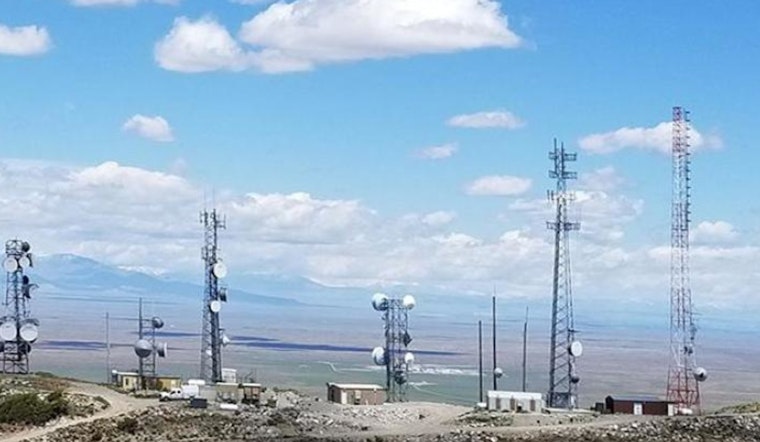
In an initiative poised to enhance digital connectivity for indigenous communities, the Department of the Interior has made a decisive move. Effective immediately, the process for greenlighting broadband infrastructure projects on tribal lands has been substantially expedited, the Office of the Assistant Secretary for Indian Affairs announced yesterday.
The updated policy is set to slash bureaucratic bottlenecks, establishing a ready framework for the rapid processing of right-of-way applications critical for building out this essential service in remote and underserved areas of Indian Country. Efficiency appears to be the watchword, with the Bureau of Indian Affairs now tasked with reviewing applications within a mere seven business days, ensuring prompt feedback to applicants on any further information required. However, there is a minor slip in the details; as per the new policy, it also offers guidance on when it's deemed permissible to waive certain regulatory requirements.
According to the Department of the Interior, this policy not only aligns with the Trump administration's priorities of deregulation and upholding tribal sovereignty but also stands as a testament to the government's commitment to fulfilling its responsibilities to Native American tribes. "This new policy supports the Trump administration’s commitment to cutting red tape and upholding tribal sovereignty," Janel Broderick, principal deputy assistant secretary for Indian Affairs, said in a Department of the Interior announcement.
For tribal communities, underlying infrastructures such as roads will frequently serve as conduits for broadband expansion, which includes fiber optics, wireless systems, satellite links, and more. This extended connectivity is not simply about improving internet access, but it is about enabling tribal economies, education, healthcare systems, and broader community development to thrive. Recognizing the role of local agency, the policy defers to the judgment of landowners and tribes to determine what's in their best interest.
While the policy's immediacy is evident, its long-term benefits for tribal communities could be monumental, bridging the digital divide that has long hindered Native American land meanly away from urban centers. As access improves, the flow of information, resources, and opportunities to these historically marginalized communities is expected to create ripples of positive change, affirming the essential nature of connectivity in the modern world.





