

























































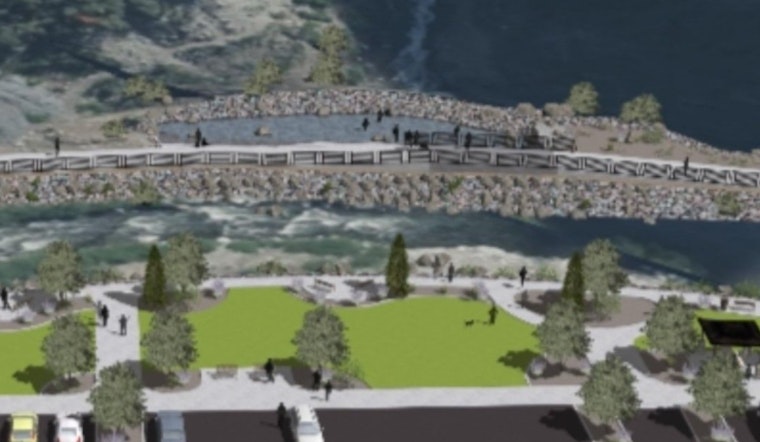
Utah County is set to considerably improve the outdoor experience at Bridal Veil Falls with a hefty $7 million reconstruction effort starting just after the holiday weekend. Visitors might want to snap their final photos of the falls in its current state before Labor Day, as heavy construction machinery will move in on September 2. The ambitious project, aimed to be completed by September 2027, promises to enhance safety and accessibility while retaining the aesthetic allure of the falls, as reported by Utah County.
"These improvements will elevate the visitor experience through upgraded amenities and infrastructure, all while maintaining the scenic charm that makes Bridal Veil Falls a beloved destination," Utah County Commission Chair Brandon Gordon told Utah County. Mind your steps and look out for detour signs, as parking spaces and access points around the construction zone are expected to shift during the two years of the build-out.
Key enhancements include a new grass park, pavilion, picnic area opposite the falls, additional recreational spots, a rebuilt pedestrian trail, separate biking and walking paths, and roadway and parking upgrades. Timeframes for the construction phases are clearly delineated, with the lower falls and trail facing closures and detours to accommodate the overhaul. Phase one comprises revamping the lower parking lot and associated roads from September 2025 until about midway through the next year. During phase two, which will stretch from July 2026 to late 2027, the trail at the base will be closed for a complete reconstruction.
It’s important to note that, during phase one, the upper lot and Nunn’s Park will be suggested as alternatives to the closed lower parking, with limited space available at Nunn’s Trailhead and Upper Parking Lot. By the second phase, bike traffic will be rerouted across the river to work around the extensive construction activities, limiting access to the lower falls and its proximate paths. A combined funding initiative by Utah County TRCC, state grants, the Central Utah Water Conservancy District, and other local partners, including Provo City, is making this project possible. Additionally, assistance with permitting is being provided by the U.S. Forest Service, and Utah Open Lands holds the Conservation Easement.



