

























































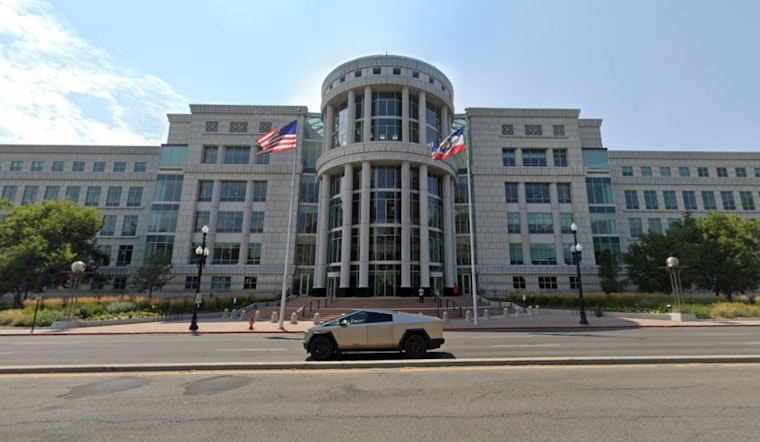
The battle over Utah's congressional maps pressed on as the state's Supreme Court denied the Legislature's plea for more time to redraw its district lines. According to KUTV, the Supreme Court's decision forces the legislature to proceed with the redistricting process set by earlier court rulings, adhering to a tight timeline leading up to the 2025 election. This comes after a district court ruling in late August found that a ballot initiative passed by voters as Proposition 4 was unconstitutionally altered by the Legislature, necessitating a redrawing of the maps by September 24.
The rejected petition was part of an effort by lawmakers to extend the use of previously adopted maps deemed gerrymandered. As reported by The Salt Lake Tribune, the Supreme Court stated that the Legislative Defendants failed to "include to identify an error" that would suggest the district court abused its discretion in denying a motion for a stay of its own injunctive order. This unanimous decision from the court reinforces the district court's authority and rejects the bid for an extension.
In response to the Supreme Court's ruling, Senate President J. Stuart Adams and House Speaker Mike Schultz issued a joint statement, which ABC4 reported. They expressed their concerns, stating, "A rushed timeline is not the best approach for determining congressional districts nor for setting public policy." They confirmed, despite their reservations, that "the Legislature will move forward to the best of its ability." A committee has already been assembled to tackle this task, and the public will have the chance to weigh in on the legislative map at redistricting.utah.gov starting September 25.
This development ensures that the standards voters approved under Proposition 4 will be implemented, which include provisions for fewer splits of cities and counties, compact and connected districts, and a prohibition against maps designed unfairly to advantage particular politicians or parties. Although the appeal is still pending, today's decision upholds the tenet that it is the voters, and not politicians, who should choose their representatives. This landmark decision by the Utah Supreme Court solidifies the role of the judiciary in the redistricting process and underscores the importance of upholding the democratic intentions of the electorate.





