

























































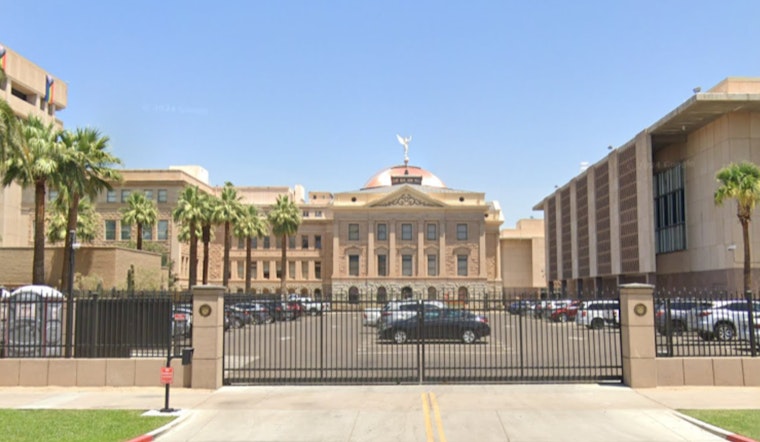
Valley labor activists plan to march on Labor Day despite high temperatures. The Fuerte Arts Movement and Workers Over Billionaires Coalition will stage a “die-in” performance in Scottsdale and at the state capitol, using tombstones as symbols to call attention to corporate practices. Xenia Orona, Executive Director of the Fuerte Arts Movement, said, “We see that our rights, our priorities are not being represented by the current Congress and they’re not being represented by the people who are making the decisions with our tax dollars,” according to ABC15. Labor Day began with workers’ rights demonstrations in New York City in 1882 and was declared a national holiday in 1894 by President Grover Cleveland.
Labor Day in the United States differs from May Day, though both began about 150 years ago during labor uprisings in the industrial era. At the time, native-born and immigrant workers joined together to push for an eight-hour workday. A historian from the University of Illinois Chicago noted, "The demand for a shorter workday without a pay cut was designed to appeal to all wage earners no matter who they were, where they were from, or what they did for a living," as reported by Iowa Capital Dispatch.
Over time in the United States, Labor Day and May Day followed different paths. Labor Day became the main holiday for trade unions and took on a more traditional, national focus, while May Day was often observed by immigrant and more radical workers, connecting to global labor movements. Both holidays began with efforts for shorter workdays and better working conditions. Labor Day events continue to focus on workers’ rights and working conditions, reflecting the original struggles that inspired both holidays.


