

























































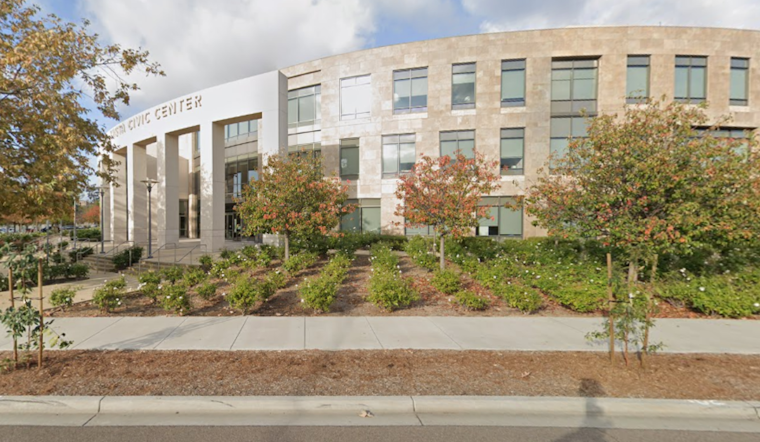
Vista's city council has stood firm, rejecting a proposal to implement license plate reading cameras (LPRs), marking the city's ongoing hesitance to adopt this surveillance technology. The council's main sticking points were potential illegal data sharing and the lack of presented evidence on the technology's efficacy in fighting crime. As reported by The Coast News, councilmembers called for more concrete data before taking any affirmative steps toward installing the LPRs.
Despite the push from San Diego County Sheriff's Office to bring Vista in line with neighboring communities using Flock license plate readers, councilmembers Corinna Contreras and Katie Melendez voiced concerns on the safeguards against unlawful data sharing with federal agencies. Contreras and Melendez were specifically troubled by the heightened immigration enforcement in San Diego County. Additionally, the San Diego County Sheriff’s Office is internally reviewing allegations of illegal searches made on behalf of Immigration and Customs Enforcement and Customs and Border Protection, as stated in an article obtained by NBC San Diego.
Flock Safety, the company behind a LPRs, halted a pilot program with federal agencies amidst confusion over the purpose of investigations and concerns over the sharing of immigration-related data. Vista's Mayor John Franklin had previously voiced his inclination towards the adoption of LPRs for crime prevention but emphasized the need for answering privacy questions first. The mayor highlighted the importance of balancing public safety with public privacy.
The technology's advocates argue for its effectiveness in solving serious crimes and finding missing persons. Vista Sheriff's Capt. John Malan recounted an incident where an LPR in a neighboring city contributed to the arrest of a carjacking suspect. However, potential risks continue to stymie progress. Resident Kenneth Zuniga raised a poignant concern during a council meeting, warning of funding a system "with zero accountability," as reported by The Coast News.
While some council members appear open to reassessing the situation with additional data, there remains a staunch opposition to technologies that may infringe on individual privacy and civil liberties. Tazheen Nizam, a local executive director of the Council on American-Islamic Relations, was quoted by The Coast News emphasizing investment in community building alternatives as opposed to surveillance equipment.





