

























































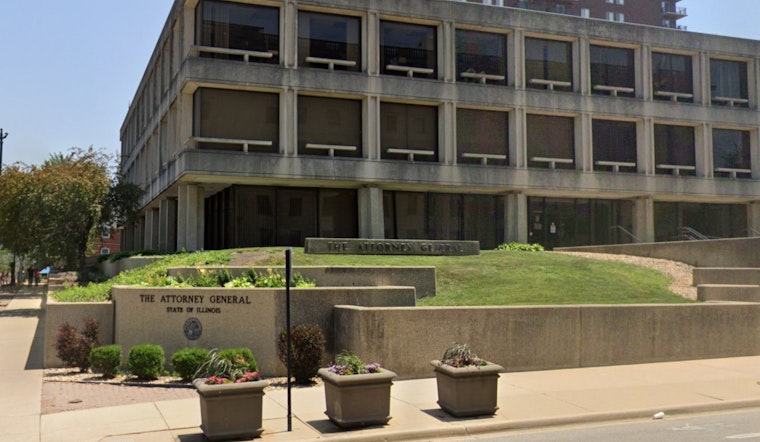
Attorney General Kwame Raoul, along with a cohort of 16 other state attorneys general, has successfully secured a federal court order blocking the Department of Education from making cuts to mental health grant funding for K-12 programs. The suit, filed in June, targeted the Trump administration's proposed reductions to congressionally approved funding, arguing such cuts violated both the Administrative Procedure Act (APA) and the U.S. Constitution.
On October 21, U.S. District Court Judge Kymberly Evanson turned down the Education Department’s attempt to dismiss the case, and this Monday she granted a preliminary injunction. According to the statement obtained by the Illinois Attorney General’s Office, Evanson observed that the department appears to have acted, "in an arbitrary and capricious manner," violating the Administrative Procedure Act. However, the judge limited the injunction to those grantees who had demonstrated to the court how they would suffer from the funding cuts.
Responding to the victory, Raoul emphasized, "This preliminary injunction means that vital congressionally approved funding will not be blocked at the expense of Illinois students’ mental health." He added, "Student mental health programs are essential to the growth and mental well-being to children in Illinois and across the country. I will continue to oppose illegal actions that directly impact our communities."
The contested funding comes from a bipartisan Congressional act that earmarked $1 billion for school mental health services following the devastating school shooting in Uvalde, Texas, which saw the loss of 19 students and two teachers. In the program's inaugural year, grantees managed to serve nearly 775,000 students, with an employment boost of approximately 1,300 school mental health professionals. The National Association of School Psychologists (NASP) found significant outcomes, including a 50% reduction, in suicide risk at high-need schools, along with reductions in absenteeism and behavioral problems, coupled with better student-staff engagement.
Joining Illinois in this legal challenge are states with a shared commitment to mental health in schools, including California, Colorado, Connecticut, Delaware, Maine, Maryland, Massachusetts, Michigan, New Mexico, New York, Nevada, Oregon, Rhode Island, Washington, and Wisconsin.




