

























































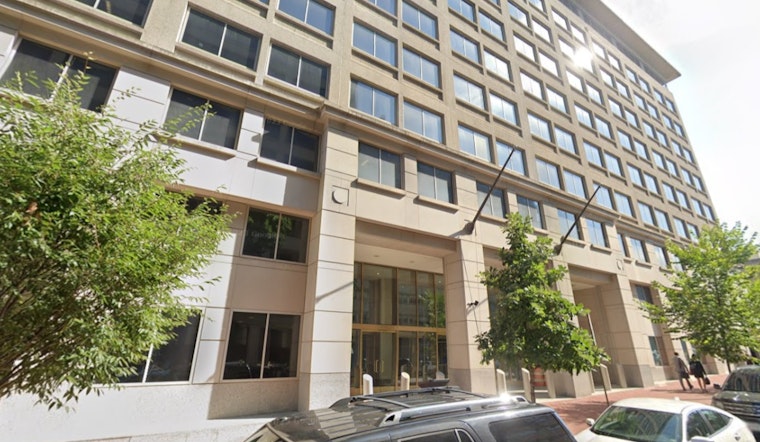
In a decisive move to clarify the boundaries of free speech during demonstrations, Attorney General Brian L. Schwalb released guidance for protesters within the District of Columbia, setting the bar for what is and isn't covered under the First Amendment. The detailed guidance, aimed at ensuring public understanding and compliance during protests, can be found on the official website of the Office of the Attorney General for the District of Columbia.
Key highlights from the guidance include the right to assemble peacefully in public spaces such as parks and streets, the freedom to criticize government and officials, a rule that's essential given DC's stature as the throbbing heart of our federal system but also a common site for clash and contest of ideas, it points explicitly to the legality of recording police actions without obstructing their duty, and the pivotal nature of relocating a demonstration if given a dispersal order, this right comes bounded by the responsibilities to refrain from violent acts and destruction of property. The document clarifies that while DC respects the right to protest, there will be no violence or property destruction tolerance.
However, not all actions bear the shield of constitutional protection, and the Attorney General's guidance stresses the consequences of crossing these boundaries. Prohibited actions include physical interference with law enforcement operations and acts of civil disobedience that involve obstruction, such as blocking building entrances or impeding passage on sidewalks. Failure to adhere to a dispersal order can also lead to arrest, signifying that freedom comes paired with the duty to obey lawful commands.
The guidance also illustrates protesters' rights in the face of opposition, noting that other individuals may not legally hinder another's right to peaceful protest. This guidance loops in protections against bias-related crimes, ensuring that assault or any such act perpetrated to disrupt one's right to protest because of political affiliation is punishable under the law. The citizens, experiencing such an attempt to limit their First Amendment right, are encouraged to contact the Office of the Attorney General at [email protected] once the immediate concerns are resolved. In contrast, counter-protestors retain their own free speech rights; however, they too are bound by the same rules of non-violence and are not to use force or threats.
As per the OAG's official release, Attorney General Schwalb reiterated the importance of adhering to these guidelines: "In DC, everyone has the constitutional right to gather peacefully, protest, and make their voices heard. But acts of violence and destruction of property are against the law and will not be tolerated.”





