

























































As the countdown to the 2026 World Cup marches on, Bellevue is gearing up for its own moment in the international spotlight. The city, a neighbor to Seattle, which will be hosting six of the World Cup games, is anticipating a flood of around 15,000 soccer fans. According to Bellevue officials, these guests are expected to pump an estimated $23 million in economic activity into the local scene.
Digging into the details, Bellevue's Economic Development team is not just ready to welcome the influx but has plans to make the experience for visitors truly remarkable. A variety of World Cup-themed events are set to sprinkle the 2 Line corridor, ready to capture the imaginations (and wallets) of tourists and natives alike. Moreover, small businesses and local entrepreneurs with the most compelling ideas for activations to entertain this audience will snag funding and support. "The idea is to establish protocols and destinations along the Grand Connection that can be Eastside attractions for years to come," noted Community Development Director Emil King in a statement obtained by the city's official site.
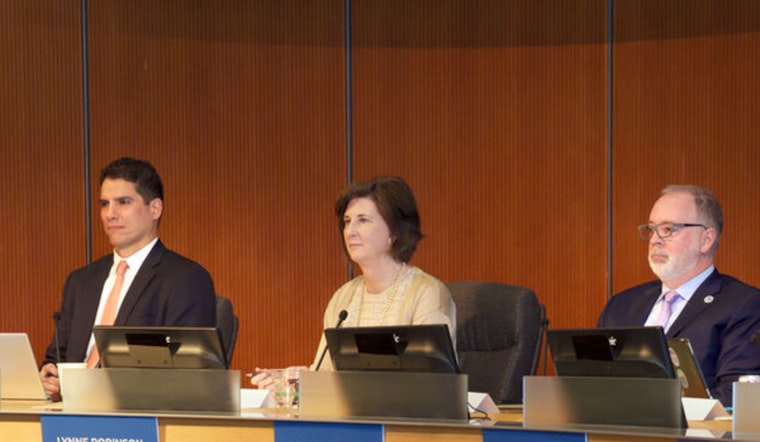
On the serious side of municipal business, Bellevue has taken a hard look at the dangers lurking in natural disasters. The city council was briefed on the first formal Hazard Mitigation Plan, a strategic outline that pinpoints natural hazards like earthquakes, floods, and wildfires while proposing actions to minimize risk. This document, no doubt, will serve as a blueprint for preparedness for individuals and the community at large. As part of the resilience-building initiative, a debris management strategy also stands at the ready, designed to expedite clean-up after any disaster. Unanimous support from the council means we'll soon see this plan adopted officially.
The council also took time to recognize several important causes with recent proclamations. Among these, Indigenous Peoples' Day received a nod, alongside Pregnancy and Infant Loss Awareness Month and Walk and Roll to School Day. Each of these proclamations marks an acknowledgment of the diverse and often unseen struggles and celebrations within our community, paving way for more inclusive and supportive public policies and communal recognition.





