

























































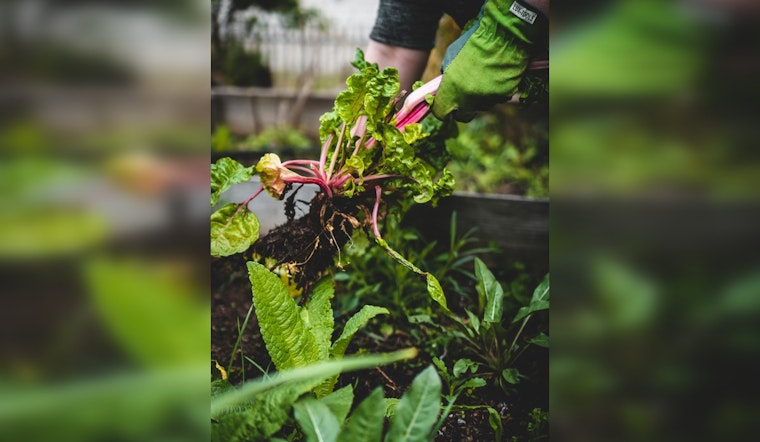
There's a bipartisan effort afoot, spearheaded by Reps. Mike Lawler (NY-17) and Eugene Vindman (VA-07), to give organic farming a serious boost in America. They've introduced the Organic Science and Research Investment Act of 2025, whose comprehensive plan involves expanding research, enhancing coordination at the United States Department of Agriculture (USDA), and backing producers who are making the switch to organic farming. Advocates for the bill argue that it's a step toward a more competitive agricultural economy.
"Organic farming represents one of the most innovative sectors in American agriculture. By improving coordination at the USDA, this legislation helps advance the correlation between crop science and the family farms that utilize it to strengthen their business," Lawler explained. Notice the importance of aligning scientific endeavors with the bread-and-butter operations of America's heartlands is front and center. Meanwhile, Vindman highlighted his unique position on the House Agriculture Committee, emphasizing the need for federal research to remain in step with the organic farming's rapid evolution.
But what exactly does this bill promise for the world of organic farming? For starters, it's about making organic research a key player within the USDA's scientific mission. When it comes to nuts and bolts, Lawler's release outlines that the department would be required to include organics in its annual research and budget planning. Furthermore, it looks to pump up the Organic Research and Extension Initiative's budget to $100 million by 2030. This isn't just about money, though; the fund also gears toward honing in on climate resilience and Indigenous Traditional Ecological Knowledge, crucial themes for the organic sector.
The Act doesn't just throw cash at the problem, however. It's about strategic support, bringing in new grants that assist farmers and universities focused on transitioning to organic production and overcoming certification barriers. There's also a push for more robust data and economic analysis of the organic agriculture sector. Such measures, proponents say, would provide valuable insight into market trends and the rural impact that seems pivotal for both policymakers and producers alike.
According to statements released by Lawler's office, Congressman Lawler said, "Supporting agriculture research today means a more competitive agricultural economy tomorrow." With issues of sustainability and food security increasingly pressing, this legislation might just represent a vital seed sown for the future of American agriculture, especially within an ever-growing organic industry that continues to push the boundaries of innovation and eco-conscious farming.




