

























































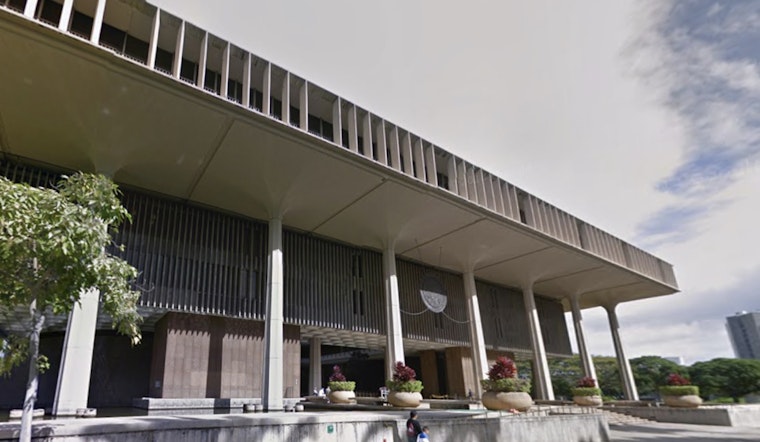
When Columbus Day rolls around on October 13, don't expect a unanimous day off across the board — while the federal government takes a breather, state and county agencies in Hawaii will operate business as usual, as reported by OIP. This discrepancy between federal and state recognition of holidays raises practical questions for agencies and the public alike, particularly regarding time-sensitive matters like Sunshine Law and Uniform Information Practices Act (UIPA) deadlines.
In Hawaii, there's a distinction when it comes to federal-only holidays and how they're treated compared to state holidays, for example, despite Columbus Day and Juneteenth being paid federal holidays, they don't get the same status at the state level and this means that while your mailman might be off, the local agency worker isn't; this subtlety impacts how some legal deadlines are calculated, since these are measured in business or working days and different laws have different definitions for what those terms mean.
Under the Sunshine Law, when it comes to providing the public with board packets, agencies are required to do so "at least three full business days before its meeting," which follows the rule that excludes "Saturdays, Sundays, and state or federal holidays" from the count of business days, State of Hawaii OIP notes. Thus, in the same way you'd prepare for a long weekend by wrapping up work a day early, boards must also adjust their planning to accommodate federal holidays.
But when agencies are responding to UIPA requests, they're looking at a calendar that states holidays only; "a business day is defined as 'a government agency business day' and excludes only 'Saturdays, Sundays, and state holidays’" according to the OIP's bulletin. So, even though these federal-only holidays are recognized, they don't necessarily give agencies a free pass to push deadlines back, which might seem counterintuitive, but that's how the current regulations frame it, according to the State of Hawaii.





