

























































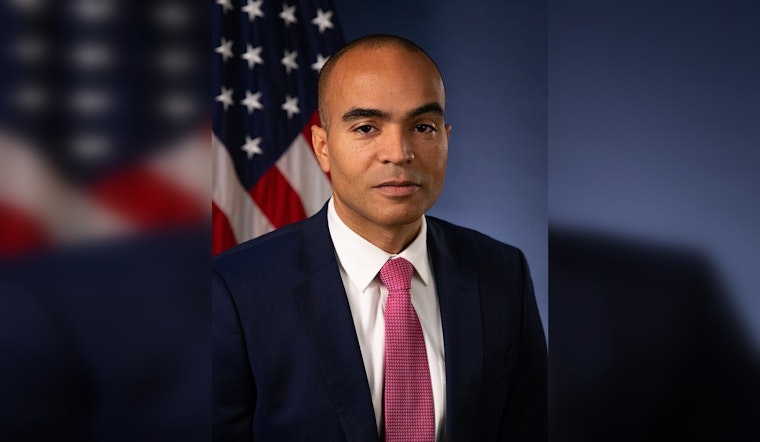
In a decisive move for privacy, a federal judge has issued a preliminary injunction to halt the U.S. Department of Agriculture's (USDA) controversial request for states to provide personal information about recipients of the Supplemental Nutrition Assistance Program (SNAP). This injunction is a response to the lawsuit filed by Washington Attorney General Nick Brown, alongside other states, against the Trump administration's alleged overreach.
Attorney General Nick Brown made a firm stand against this demand, stating, "The last thing people struggling to put food on the table need to worry about is the federal government demanding access to their private information." The overreach by the USDA not only posed a threat to the privacy of millions but also to the administration of the SNAP program, which is crucial for the sustenance of low-income families.
The SNAP program, which aids tens of millions across the country with food assistance, requires applicants to provide sensitive personal information. With federal and state laws historically protecting this information from being used for unrelated purposes, the USDA's demand was a clear departure from the norm. Some viewed the USDA's threat to withhold program funding as a tactic to bully states into compliance with its demands.
Washington state, which receives approximately $129.5 million annually to administer SNAP, found itself in a compromising position. If the judge had not granted the injunction, and funds were indeed withheld, Washington would have faced catastrophic consequences for the program's recipients. According to Brown's office, any disruption in SNAP's administration would have dire effects on the food security of many Washingtonians.
For now, Washington residents, along with those in other states, can take solace in the judicial system's check on federal power. The order is publicly available and stands as a testament to the protective measures that officials have put in place to shield citizens from unwarranted surveillance and data collection. This legal skirmish is an emblem of the larger battles waged to maintain privacy in an age of digital surveillance.





