

























































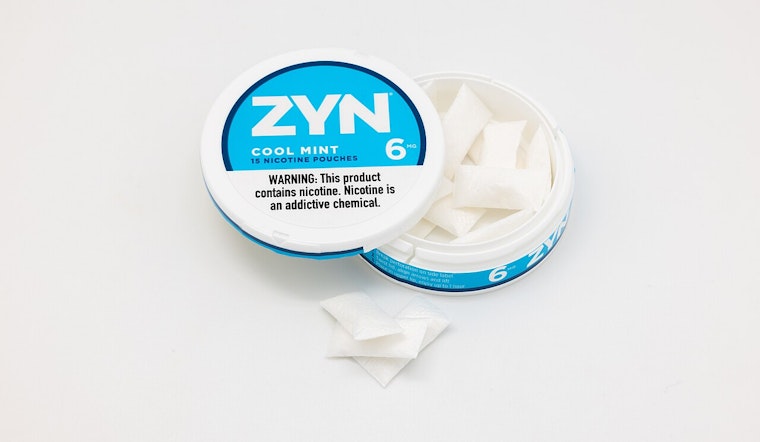
Zyn, the Swedish nicotine pouch brand that's become ubiquitous in corner stores and gas stations, is writing a hefty check to San Francisco—to the tune of $3 million. The settlement resolves allegations that the company violated the city's flavored tobacco ban, a voter-approved measure designed to curb youth nicotine addiction by banning the sale of flavored tobacco products within city limits.
The case highlights an ongoing regulatory clash between the booming nicotine pouch industry and local governments attempting to enforce flavored tobacco restrictions. According to ABC7 News, the settlement addresses violations of San Francisco's strict tobacco regulations, which residents passed through Proposition E in 2018. That ballot measure prohibits the sale of flavored tobacco products, including menthol cigarettes, flavored vaping liquids, and—crucially for this case—flavored nicotine pouches.
The Fine Print on Flavored Nicotine
Zyn pouches, manufactured by Swedish Match (now owned by Philip Morris International), come in varieties like "Cool Mint," "Citrus," "Coffee," and "Wintergreen"—flavors that fall squarely under San Francisco's ban. The products are marketed as a tobacco-free alternative to cigarettes and chewing tobacco, with small pouches containing nicotine derived from tobacco plants but without the plant material itself. Despite this technical distinction, as reported by ABC7 News, the city's regulations treat them the same as traditional flavored tobacco products.
The $3 million settlement represents one of the larger enforcement actions San Francisco has taken against a nicotine product manufacturer. While the city has previously targeted retailers for selling banned flavored products, going after the manufacturer directly sends a different message entirely—essentially holding the company accountable for distribution practices that allegedly facilitated illegal sales within city limits.
A National Trend Meets Local Enforcement
Zyn's explosive growth has made it a cultural phenomenon, with consumption increasing dramatically over the past few years. The pouches have gained particular traction among younger adults and, concerningly for public health officials, teenagers who view them as a cleaner alternative to vaping or smoking. This popularity has put the product directly in the crosshairs of municipalities like San Francisco that have taken aggressive stances on flavored nicotine products.
San Francisco's flavored tobacco ban was among the first of its kind when voters approved it in 2018, making the city a testing ground for how such regulations can be enforced against modern nicotine products. The ordinance explicitly defines tobacco products broadly enough to encompass nicotine pouches, despite industry arguments that tobacco-free nicotine should be regulated differently. The City Attorney's office has been actively enforcing the ban, conducting compliance checks at retail locations and investigating distribution patterns.
Legal Implications and Industry Response
The settlement likely includes provisions beyond the monetary payment, though specific terms often remain confidential in such agreements. Typically, these settlements involve commitments from the company to cease distribution to retailers in restricted jurisdictions, implement compliance monitoring, and potentially contribute to public health education efforts. The $3 million figure suggests the city documented substantial violations or sought a deterrent effect large enough to impact industry practices.
For Swedish Match and Philip Morris International, the settlement is a drop in the bucket financially—but the precedent matters. If other California cities or jurisdictions nationwide with similar flavored tobacco bans follow San Francisco's lead in pursuing manufacturer liability, the legal landscape could shift significantly. The company has consistently maintained that its products are intended for adult smokers seeking alternatives, but flavored varieties remain controversial precisely because of their appeal to younger consumers.
What This Means for SF Retailers and Consumers
The settlement should theoretically make it harder for San Francisco retailers to stock Zyn's flavored products, assuming the agreement includes distribution controls. However, enforcement remains challenging given the proximity to jurisdictions without similar bans and the ease of online ordering. Retailers caught selling banned products face their own penalties, including fines and potential license revocations, creating a compliance ecosystem where both manufacturers and sellers bear responsibility.
For consumers who've grown accustomed to purchasing Zyn at their neighborhood corner store, the landscape is already constrained—the city's ban has technically been in effect for years. But this settlement could tighten enforcement and reduce the availability of products that have been slipping through compliance gaps. Those seeking nicotine pouches would need to travel outside city limits or order online, assuming they can navigate age verification requirements.
The Zyn settlement arrives as San Francisco continues to position itself at the forefront of tobacco control policy, balancing public health goals against adult consumer choice and the practical realities of enforcement. Whether the $3 million payment and associated terms will meaningfully reduce access to flavored nicotine pouches in San Francisco remains to be seen—but it certainly puts other manufacturers on notice that the city is willing to pursue significant penalties for violations of its voter-approved ban.





