

























































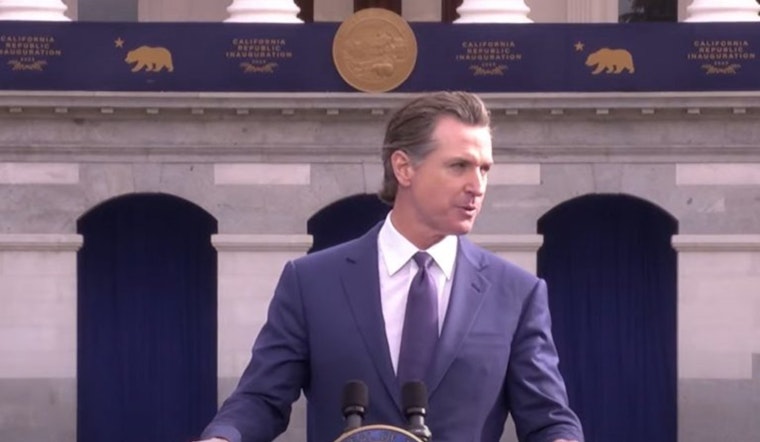
In a firm stance against the outsized influence of wealth in politics, Governor Gavin Newsom affixed his signature to two significant pieces of legislation aimed at safeguarding California's electoral integrity. The measures—one promoting publicly financed elections, the other prohibiting incentives for votes—underscore the state's proactive measures to shore up democracy. According to an official statement released on the Governor's website, Newsom declared, "California is the most diverse state in the world’s most diverse democracy. Right now, our founding ideals and values are being shredded before our eyes in Washington D.C., and California will not sit idle."
Senate Bill 42, spearheaded by Senator Umberg, proposes to dismantle existing barriers to public campaign financing in California. If the voters nod affirmatively in the November 2026 ballot, the bill will empower localities to institute systems that level the playing field for electoral contenders, thus reducing the undue influence of the super-wealthy. "California has sent a clear message: our democracy belongs to the people," Senator Umberg told officials. Meanwhile, Senate Bill 398 outlaws the act of offering payments or sweepstakes entries in exchange for voting or voter registration, marking a stern warning against any attempts to commodify civic duty.
The need for such legislation seems particularly urgent in light of former President Trump's notorious attacks on democratic norms, which have included silencing critical press, defying court orders, and sowing distrust in election processes. By taking these bold steps forward, California is actively shielding its electorate from the kinds of underhanded tactics that billionaire backers historically exploited to sway elections. The move also follows precedents set by a mix of states and municipalities that have pursued public financing systems, as reported by the Brennan Center.
Current laws permit charter cities like Los Angeles and San Francisco to implement publicly financed programs, a privilege that may soon expand to the entire state if the public approves. As the 2026 ballot looms closer, California stands at a crucial crossroads, contemplating whether or not to embrace a more equitable electoral system that could strengthen the resiliency of its democracy against the increasing threats of financial corruption and political interference.





