

























































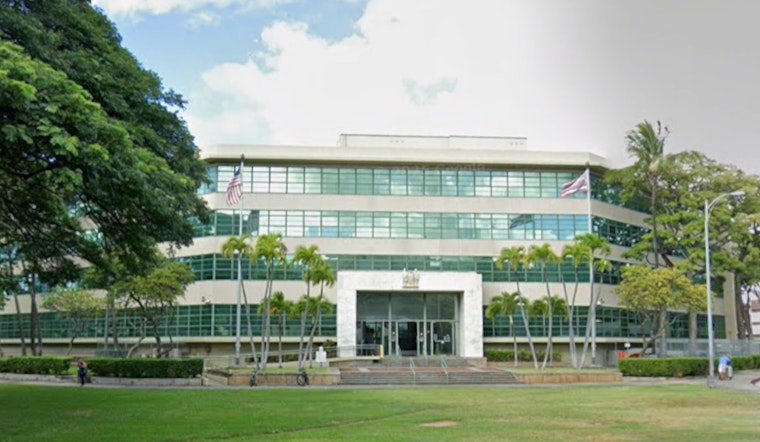
The Hawai‘i Department of Human Services (DHS) is gearing up to provide support as a new set of federal work requirements for the Supplemental Nutrition Assistance Program (SNAP) is set to take effect on November 1, 2025. This announcement comes following federal legislation enacted earlier this year, and the DHS stresses that it is not a state-derived initiative. In preparation for these changes, the DHS is focusing its efforts on assisting affected individuals and families to comprehend and adapt to the new requirements while continuing to receive essential food support, according to information available on their website.
Starting in November, certain groups will now need to quickly adjust and comply with work or training requirements, which mandate an average of 80 hours per month in qualifying activities. Those impacted include adults between the ages of 55 and 64, adult household members with a dependent child 14 or older, veterans, individuals experiencing homelessness, and youth transitioning from foster care at age 18 to 24. Acceptable activities for these requirements include not only paid employment and self-employment but also volunteering with government or nonprofit organizations, and participating in job training programs like SNAP Employment and Training, or services at American Job Centers. "These are significant federal changes that will impact many individuals and families in Hawai‘i," Hawai‘i Department of Human Services Director Ryan Yamane conveyed to the public, as per the Hawai‘i Department of Human Services website.
For those on the SNAP program, DHS highlights the importance of carefully reviewing any notices they receive from the department, as maintaining benefit eligibility may require prompt action. To aid this process, the DHS has published FAQs and other resource guides, and urges residents to check their materials for assistance with food assistance and training guidance. Navigating these changes can be complex and DHS aims to provide a clear roadmap for those affected.
Several resources apart from SNAP are available for residents in need of food assistance. The DHS lists options such as the DA BUX access card, which offers 50% discounts on select locally grown produce, the WIC program for pregnant individuals, new moms, infants, and children under five, along with the free and reduced-price school meals programs. Additionally, there's the SUN Bucks program helping families buy groceries during the summer and non-profit outreach to assist with SNAP benefits and food resources. The food banks in Hawai'i, including Hawai‘i Foodbank, Hawaii Island Food Basket, and Maui Food Bank, are also partners readily available to assist the community. Hawai‘i Department of Human Services Director Ryan Yamane emphasized the department's proactive stance, "Our commitment is to provide clear information and supportive resources, so that every household feels informed and supported through this transition," as mentioned on the Hawai‘i Department of Human Services website.
In light of these changing federal requirements, DHS is committed to continuous monitoring and updates for the public. They encourage residents to stay informed by visiting the DHS website and responding quickly to any official notifications. For more direct inquiries, individuals can call 1-855-643-1643 and speak with an Eligibility Worker to gain further clarification on their individual situations and needs.





