

























































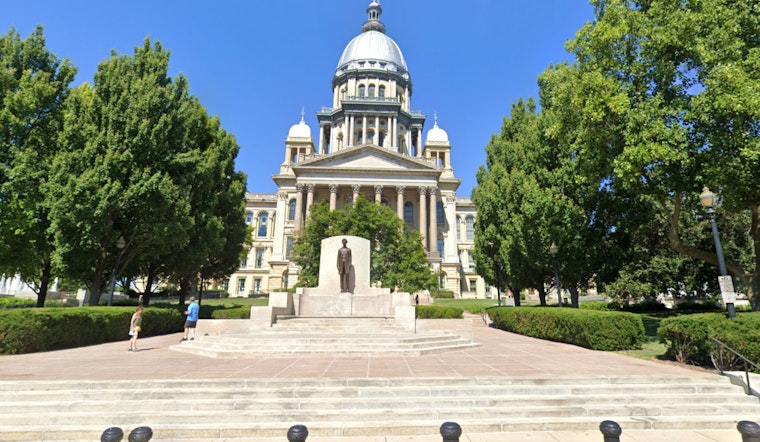
As Illinois lawmakers convene for their fall veto session, they face a busy agenda with critical issues such as transit funding and potential immigration action at the forefront of discussions. The legislative body has exactly six days, spread over two weeks, to delve into these pressing matters and find solutions that will shape the state's future.
With federal COVID-era funding drying up, agencies like Metra and Pace have already released budgets with fare hikes to combat projected deficits, which could lead to service cuts if additional funding is not secured, NBC Chicago reports. The Regional Transportation Authority has scaled down its anticipated 2026 budget gap to $200 million from an initial estimate of nearly $800 million, still posing a severe challenge for the state's transit systems.
The General Assembly is also expected to consider the impact of former President Trump's tax legislation, known as the "One Big Beautiful Bill" Act, which could amount to a reduction of $830 million in state revenue for the fiscal year 2026. According to CBS News, Illinois has financial strategies in place, including a directive from Gov. JB Pritzker for certain state agencies to reserve 4% of 2026 appropriations and locate further cost-saving measures.
Controversy surrounds the Chicago Bears' stadium project, where transparency in public funding remains an area of intense scrutiny. State Rep. Kam Buckner has introduced the STARS Act to ensure public review of cost-benefit analyses from sports teams seeking public subsidies, demanding refunds if the teams cannot fulfill their agreements. "What happens is, they often leave taxpayers holding the bag," Buckner stated, as per NBC Chicago. Meanwhile, a proposed tax to fund mass transit could influence sectors dependent on delivery services, as the spokesperson for the Illinois Restaurant Association, Sam Toia, warned against extra charges hurting small businesses that have turned to deliveries to sustain their operations.
Another agenda item focuses on recent electric bill spikes, with lawmakers discussing options for energy reform to provide relief and promote energy efficiency. However, any swift action on these myriad issues may be constrained by the limited time allocated for the veto session. The House Speaker, Chris Welc,h has also indicated that the assembly may look into state responses to federal immigration enforcement efforts, seeking to establish limitations where legally viable. "We want to keep them out of hospitals," Welch told CBS News outside the Broadview ICE facility. As the session continues, Illinois residents and businesses eagerly await the outcomes that will inevitably determine their day-to-day realities and economic futures.




