

























































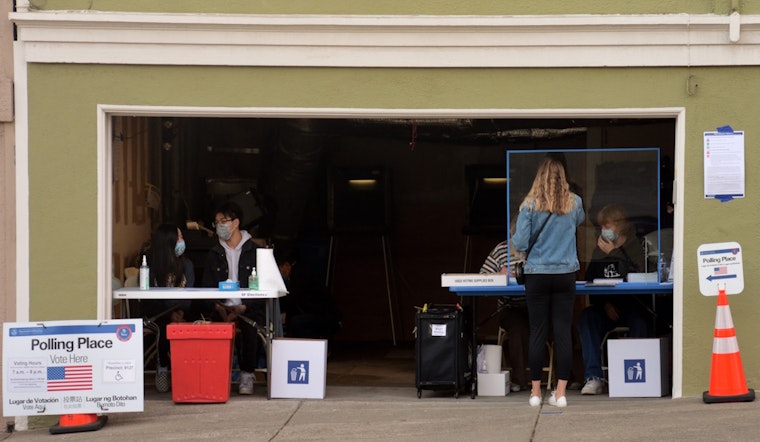
Latino voters across California say they fear Immigration and Customs Enforcement or other federal agents could turn up near polling locations this November, and that worry is already changing how campaigns and community groups try to get people to the ballot box. Organizers and pollsters warn that the fear is particularly acute in heavily Latino regions such as the Inland Empire and the Central Valley, where turnout could tip tight races.
New poll shows deep concern
A statewide survey of 1,200 Latino registered voters found that two-thirds of respondents worry that federal officials could be sent to monitor voting centers, and three in four support measures requiring immigration officers to show official identification and banning masks during operations. According to the Latino Community Foundation, 66% of respondents expressed worry about federal officials at polls and 75% supported those oversight measures. "Our community is deeply committed to voting," LCF CEO Julián Castro said in the poll release.
Organizers push mail ballots and early voting
Campaigns and Democratic organizers have been shifting tactics in response, urging early mail voting and targeted outreach to assuage fears and avoid last‑minute lines. As reported by CalMatters, organizers described Latino voters as "the most undecided" and said fear of immigration enforcement could depress turnout in swing areas. Volunteers told local coordinators that phone banking and one‑on‑one outreach have been reprioritized toward mail‑ballot education.
Why the fear isn't theoretical
Many voters point to a summer of aggressive immigration operations in Los Angeles and other parts of the state that made national headlines and sparked mass protests. Video of federal agents and the forcible removal of Senator Alex Padilla at a Homeland Security event highlighted the tensions, according to coverage by NPR and live reporting from The Guardian. Those episodes, organizers say, made some Latino voters wary of any federal presence near schools, churches or vote centers.
State response and legal questions
The state Legislature and Governor Gavin Newsom have moved to limit some immigration‑enforcement tactics — including laws to require identification and ban face coverings for officers during operations — but legal experts say parts of that package may be more symbolic than enforceable against federal personnel. Reporting from Politico notes the measures set up a likely showdown with federal authorities over the Supremacy Clause. Local officials and civil‑rights groups continue to press for clearer rules about who may be present at polling places and what constitutes intimidating conduct.
What voters can do
Election officials stress that Californians have options to avoid in‑person lines: county offices have begun mailing vote‑by‑mail ballots and secure drop boxes are available across the state. The California Secretary of State's office noted that ballots for the Nov. 4 statewide special election are being sent and outlined drop‑box and return options, including mailing a ballot or dropping it at a secure box, according to the Secretary of State. The office also reminded voters that ballots must be returned by 8 p.m. on Election Day and encouraged voters with safety questions to contact their county elections office.
Pollsters say the fear of enforcement presence won't erase the issues that shape Latino turnout — housing and the economy — but the specter of federal agents at vote centers has added a new, immediate worry for voters and organizers alike. How campaigns respond in the closing days could make the difference in tight contests across the state.



