

























































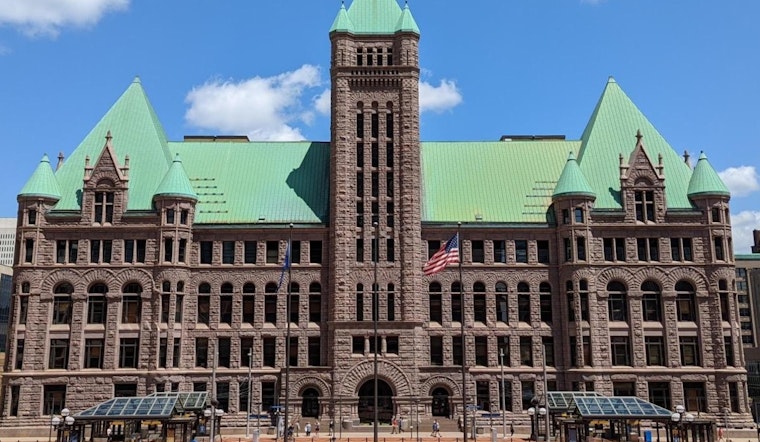
Amidst a backdrop of troubling events, Minneapolis City Hall has been actively addressing issues ranging from hate crimes to housing. Reports surfaced this week of multiple instances of racist and Islamophobic graffiti targeting Somali communities, as well as vandalism at Temple Israel. In a statement released by the City of Minneapolis, a local leader said, "In the face of these hatful acts, it is crucial that we work together to ensure everyone feels safe in Minneapolis, their communities, and the houses of worship that should stand as sanctuaries in every sense."
The violence follows a fire at Alhikma Islamic Center and a deadly shooting at Annunciation Catholic Church in August. Efforts to foster community strength and solidarity were emphasized, with a call to action for residents to continue "to show up with love and kindness," as a defense against hate. Meanwhile, Minneapolis City Hall tackled issues crucial to the well-being of its citizens. In a recent motion, passed unanimously, the tragic story of Mariah Samuels, who was murdered despite seeking help to escape domestic violence, was brought to the forefront. City leaders, including Council Members Ellison and Wonsley, are pushing for better public safety oversight and accountability, and according to a MPLS newsletter, a resolution was passed in support of justice for Mariah and her family.
The Slumlord Tier Oversight and Protection Ordinance (STOP) also saw success, mandating annual City Council votes on tier 3 rental licenses to heighten landlord oversight and secure renters' well-being. This ordinance seeks to rectify the conditions of housing units largely occupied by low-income renters and people of color that have been plagued by significant code violations. However, the efforts to enhance transparency in real estate faced an obstacle when Mayor Frey vetoed the Commercial Advance Notice of Sale Ordinance, designed to support small business owners, thwarting efforts to empower local BIPOC entrepreneurs.
The Budget Committee's second public hearing provided the platform for the community to voice its concerns over vital issues like labor violations and proposed budget cuts. The presence of such active civic engagement reflects the drive towards inclusive governance. The following Budget Committee hearing is set for November 19th, with the next being on December 9th. City residents are encouraged not just to engage civically, but also culturally, with upcoming events including Indigenous Peoples' Day and various neighborhood-focused activities. Recognition of Indigenous histories underscored the importance of acknowledging past erasures and harms inflicted within the region. The ongoing electoral process was also highlighted, with reminders of early in-person voting options and mail-in ballot requests, punctuating the crucial role civic participation plays in shaping the city's future.
In closing, council member Aisha Chughtai called for continued solidarity and involvement, stating these community efforts show that "this city is stronger because it is place where Jews, Muslims, Christians, and people of all faiths and no faith, can come together in community and solidarity." Engagement in local governance and community activities is seen as key to building a more inclusive and responsive city.




