

























































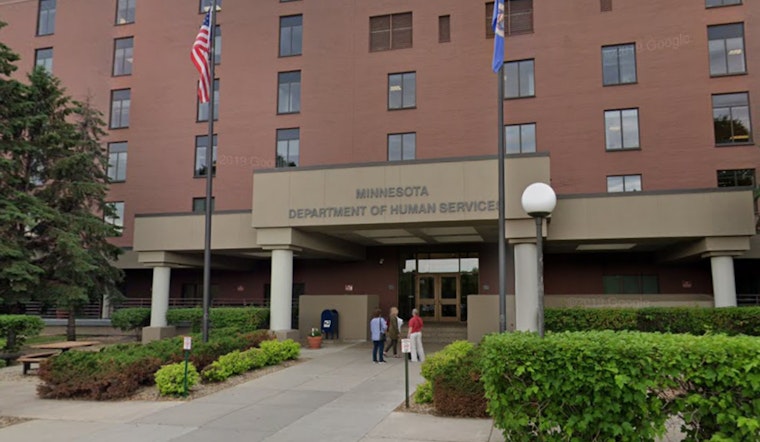
The Minnesota Department of Human Services has announced updates to key documentation associated with the care of children in the foster system. The revised document, "Legally and Financially Responsible Agency Roles for Children in Foster Care" (DHS-3822), details the duties and responsibilities of agencies overseeing the welfare of foster children. The Assistant Commissioner of the Children Safety and Permanency Administration, Rebecca St. George, signed off on the changes.
In an effort to align with contemporary expectations, the department also embraces "People First" language—a shift in tone and terminology meant to place the individual before their circumstances. This change is part of a continuing effort to ensure dignity and respect in the treatment of those under state care, as emphasized by the Department of Children, Youth, and Families (DCYF). The updated document is readily available for review on the state's website, with the latest release published on October 2nd, 2025.
The document pertains to various aspects within the foster care system, including the coordination of services and financial support for foster children. What this means for those involved in providing foster care, is a clearer understanding of the bureaucracy and the support networks that are designed to protect the interests of foster children. These updates could potentially impact the daily operations of foster care providers, caseworkers, and related government agencies.
For additional information, the Family Support and Placement Services can be contacted at [email protected]. Assistant Commissioner Rebecca St. George has put forth these updates as a way to reinforce the commitment of the administration to the safety and stability of children in the foster care system. Whether these changes will translate into tangible improvements in the lives of these children remains to be seen, care providers and agencies are now equipped with the latest guidelines to aid in their essential work.




